
Geiger Muller Tubes
20th Century Electronics B6H |
CV2247 |
CV2287 |
Dextray 3G8B |
DOB-50 |
DOB-80 |
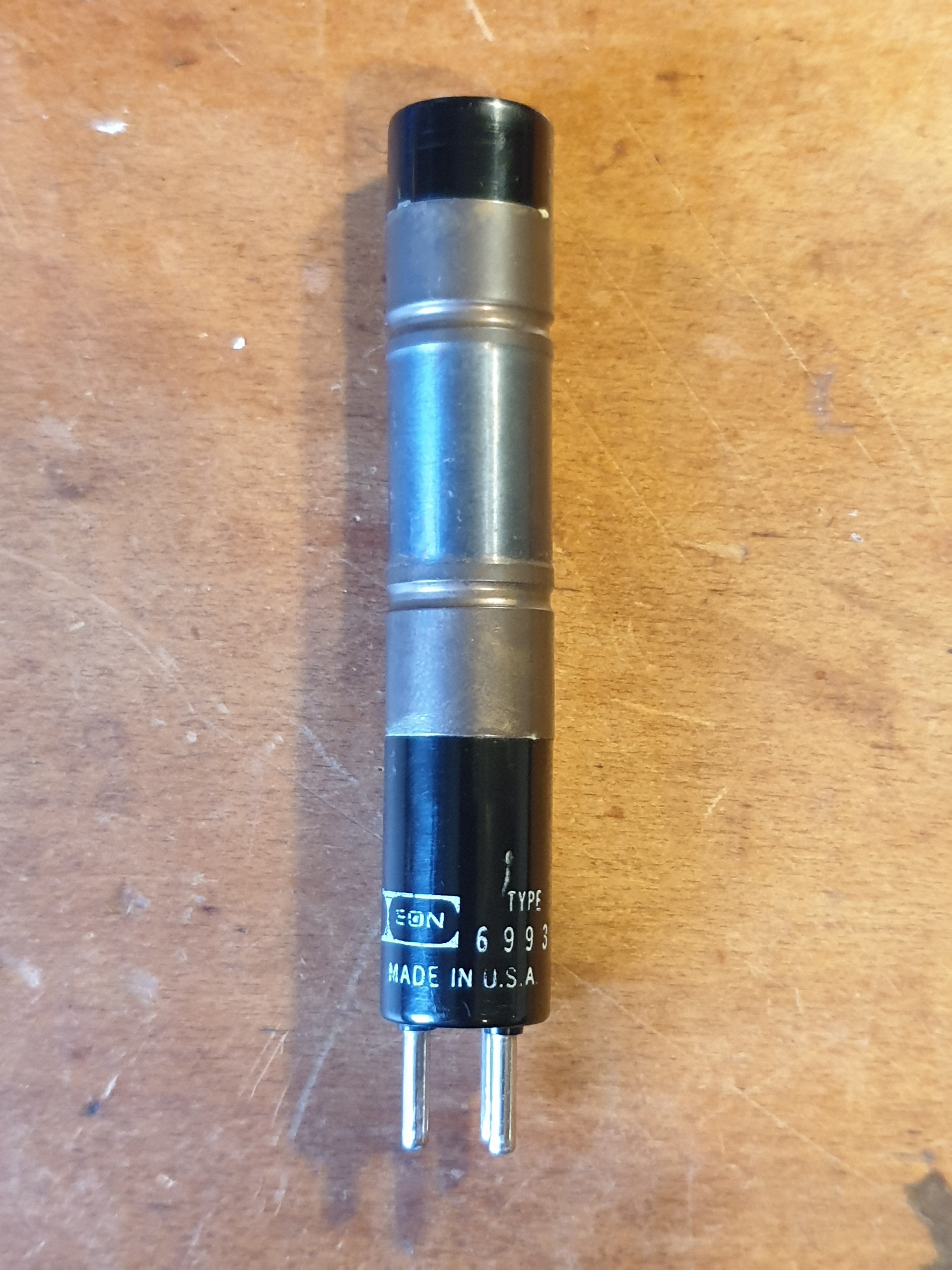
EON Type 6993 |
FHZ66 |
HH614 |
J305 |
J306 |
J307 |
J308 |
J315 |
LND 712 |
M4011 |
Mullard MX123 |
Mullard MX124 |
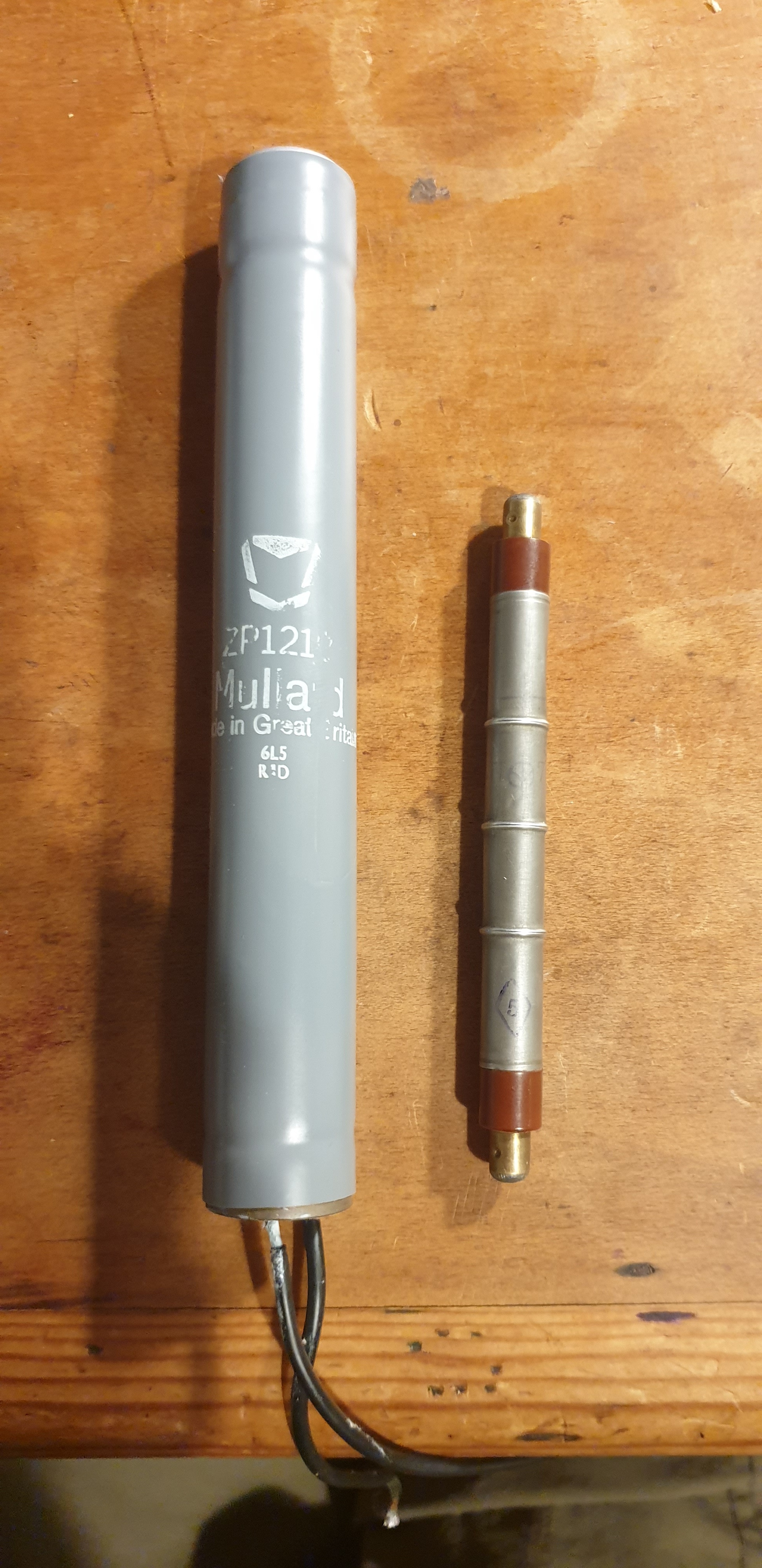
Mullard ZP1210 |
Philips 18504 |
Philips ZP1300 |
RD003 |
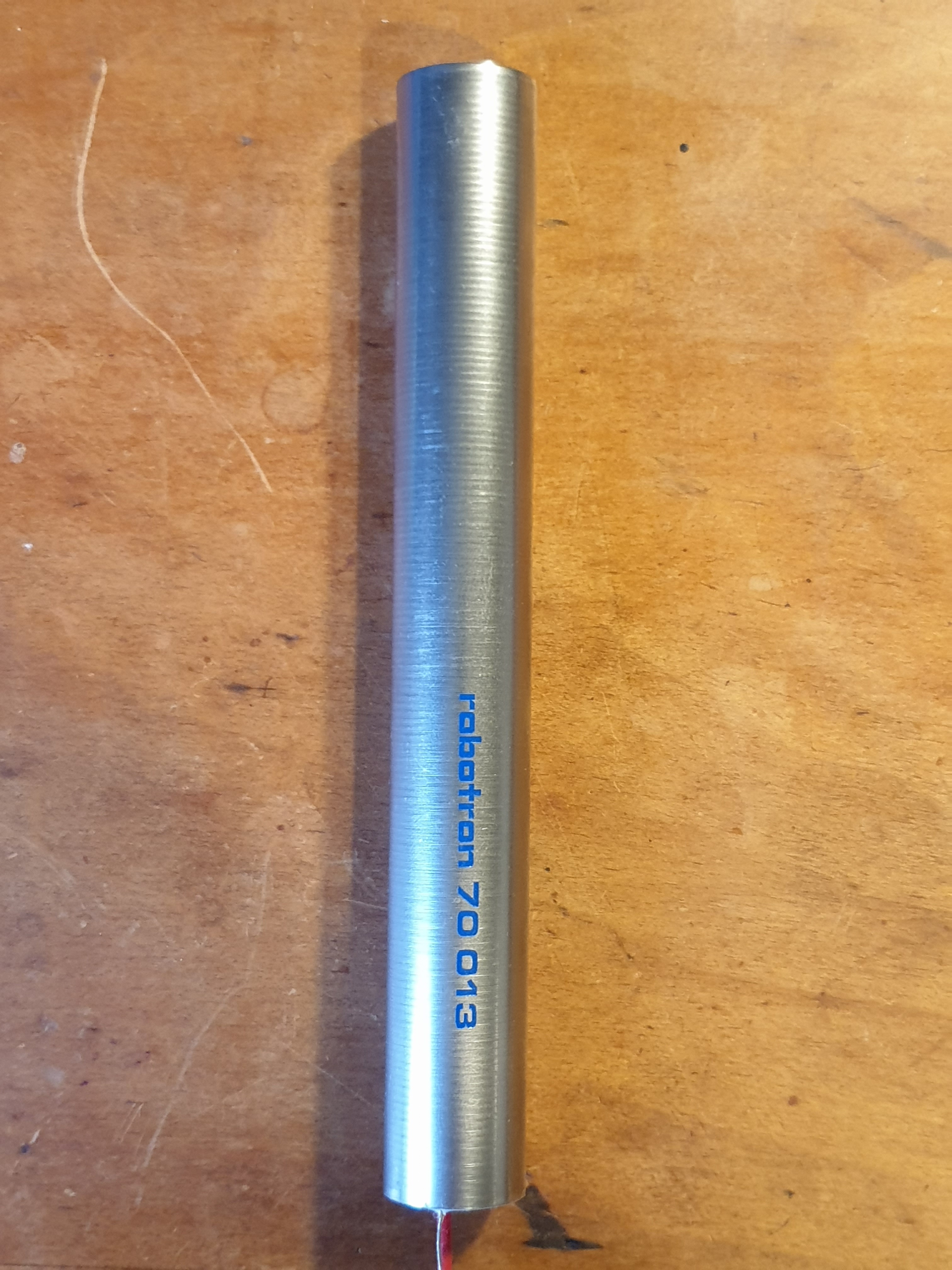
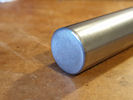
Robotron 70 013 |
SBM-10 |
SBM-20 |
SBT-10A |
SI3BG |
SI-8B |
SI-19BG |
SI-21G |
SI-22G |
STS-5 |
Victoreen 6107 |
ZP1302
Use the navigation above to go directly to a specific tube, and click on an image in the mini gallery by each tube to view the image full screen. To view the full max resolution, right click and open in a new tab.
|
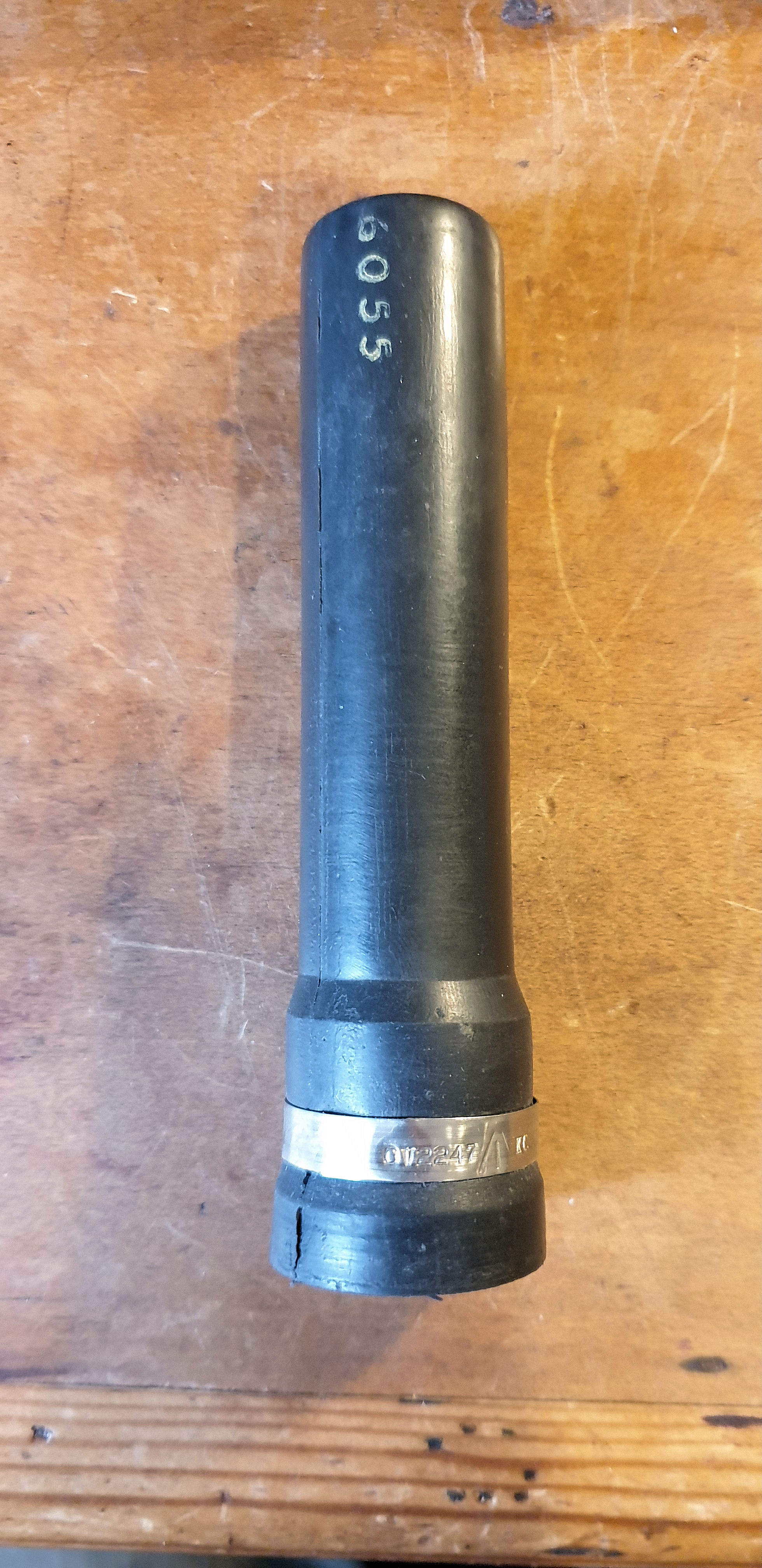
Halogen quenched Gamma radiation detector with neoprene sheath for portable use. The CV2247 Geiger–Müller tube was used in the 'British Contamination Meter No. 1'. The construction is a glass tube with a thick neoprene rubber protection boot over the tube. The connector is proprietary to the British Contamination Meter No. 1. This tube came with a complete Contamination Meter No. 1. Specs:
×
|
|
|
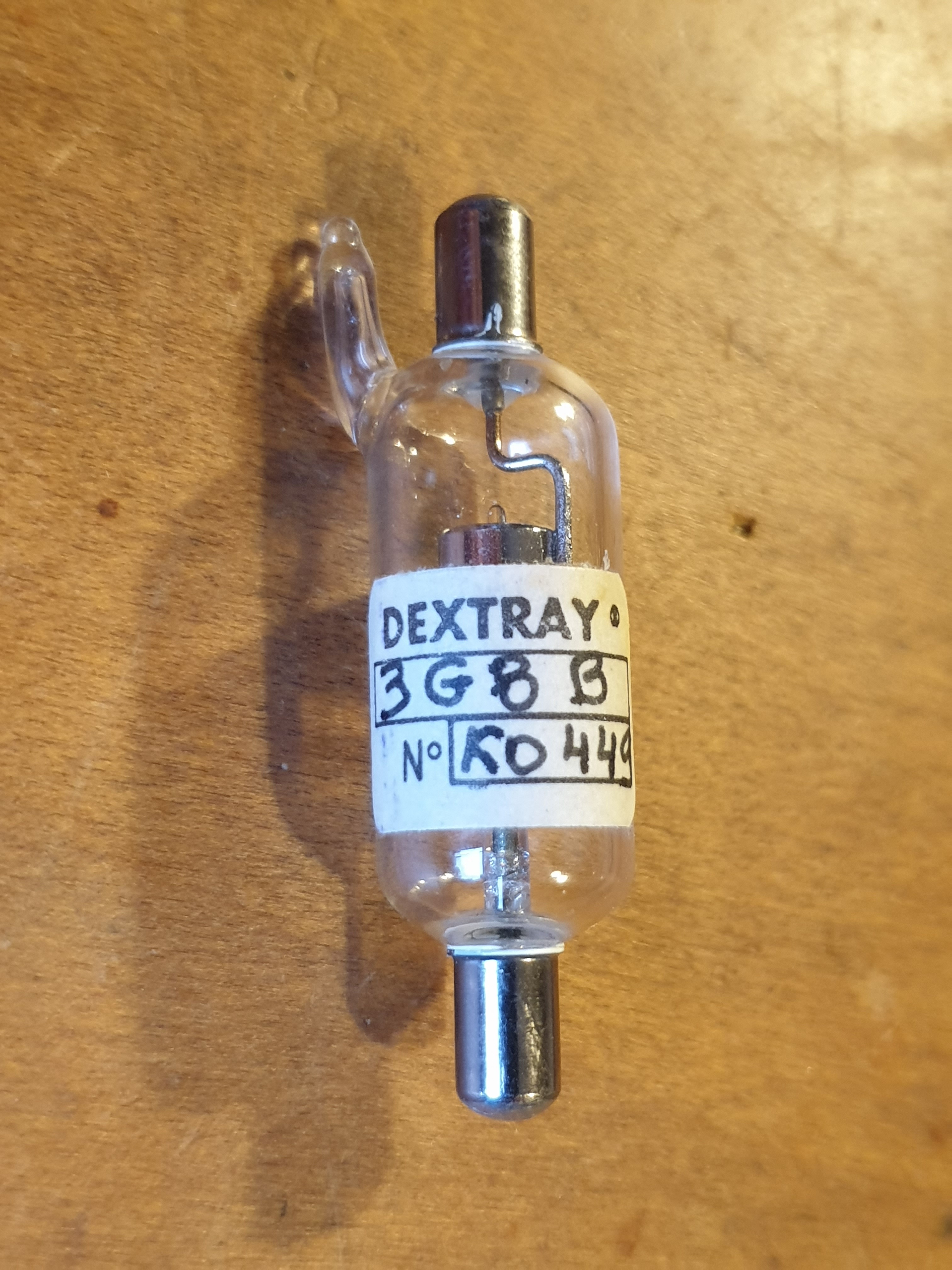
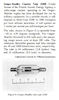
Geiger–Müller Counter Tube 3G88. Never issued French Army surplus, manufactured 1960s. This is a low sensitivity Geiger–Müller tube designed for use in high radiation detecting counters. Excerpt from 1964 technical journal showing some of the tube specs: Geiger–Müller Counter Tube 3G88 - Under license of the French Atomic Energy Agency, a wide-range counter operating in the Geiger–Müller region has been developed for use in military equipment. In a suitable circuit, it will respond to fields from 0.001 to 1000 roentgens per hour without saturation. It will operate on 1 stroke per second per milliroentgen per hour. The tube, shown in Figure 9, is operable from -40 to +70 degrees centigrade. The Geiger–Müller threshold is 445 volts and a flat operating range occurs over at least 100 volts. The minimum detectable gamma and beta energies are 50 and 2000 kiloelectron-volts, respectively. The tube is 46 millimetres ( 1.8 inches) long and 13 millimetres (0.5 inch) in diameter. Laboratoire Central de Telecommunications France Specs:
×
|
|
|
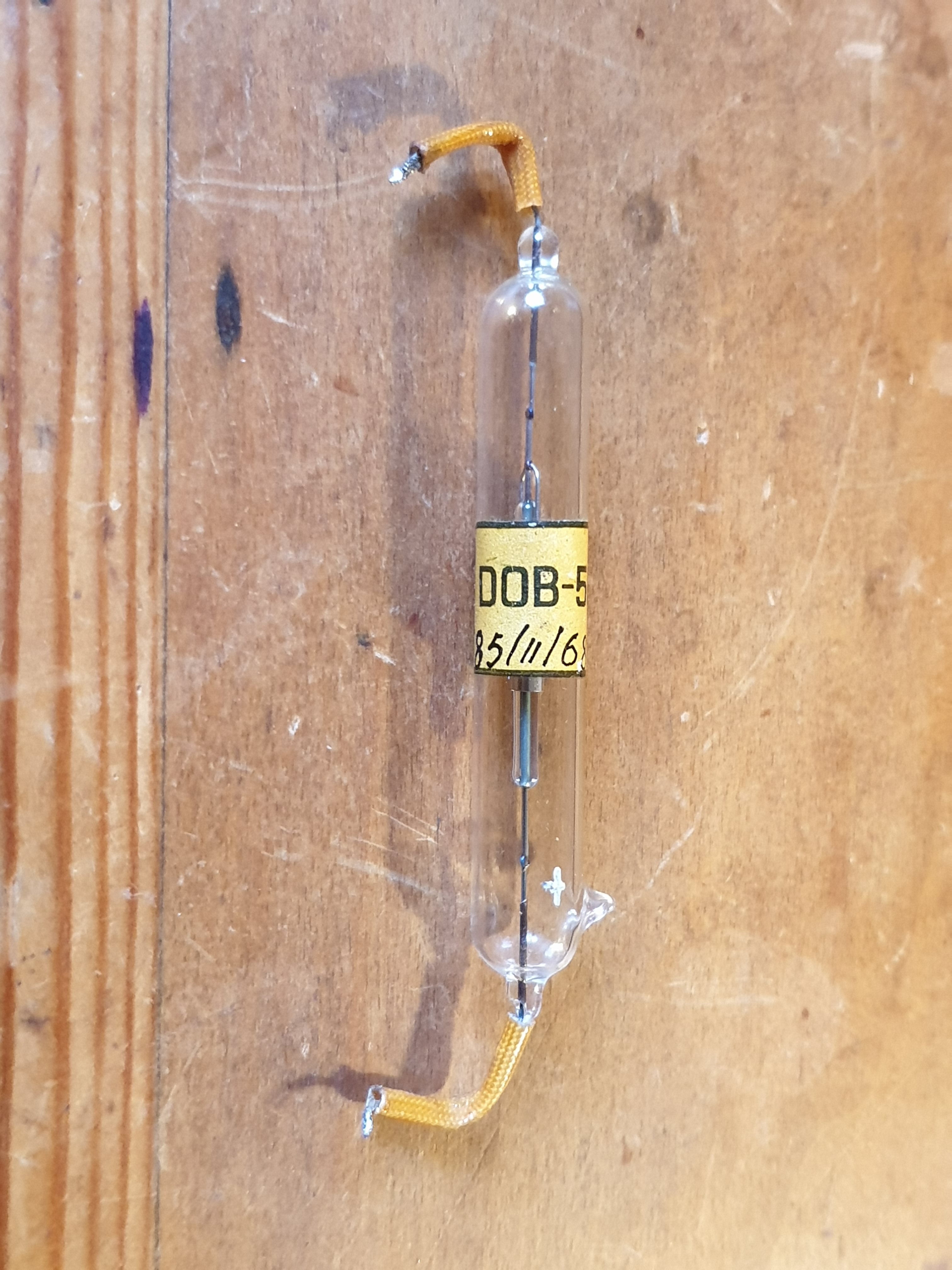
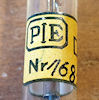
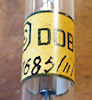
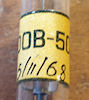
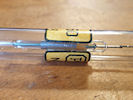
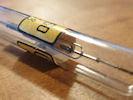
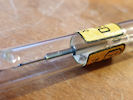
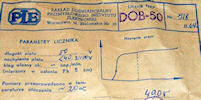
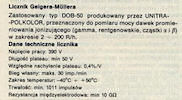
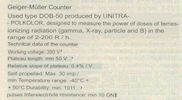
The DOB-50 Geiger–Müller Tube was designed in East Germany during the Cold War period, around 1970, and was produced for use in the Polish military. This is a low sensitivity Geiger–Müller tube and this particular one was taken from a non-working Polish DP-66M Geiger counter. Specs:
×
|
|
|
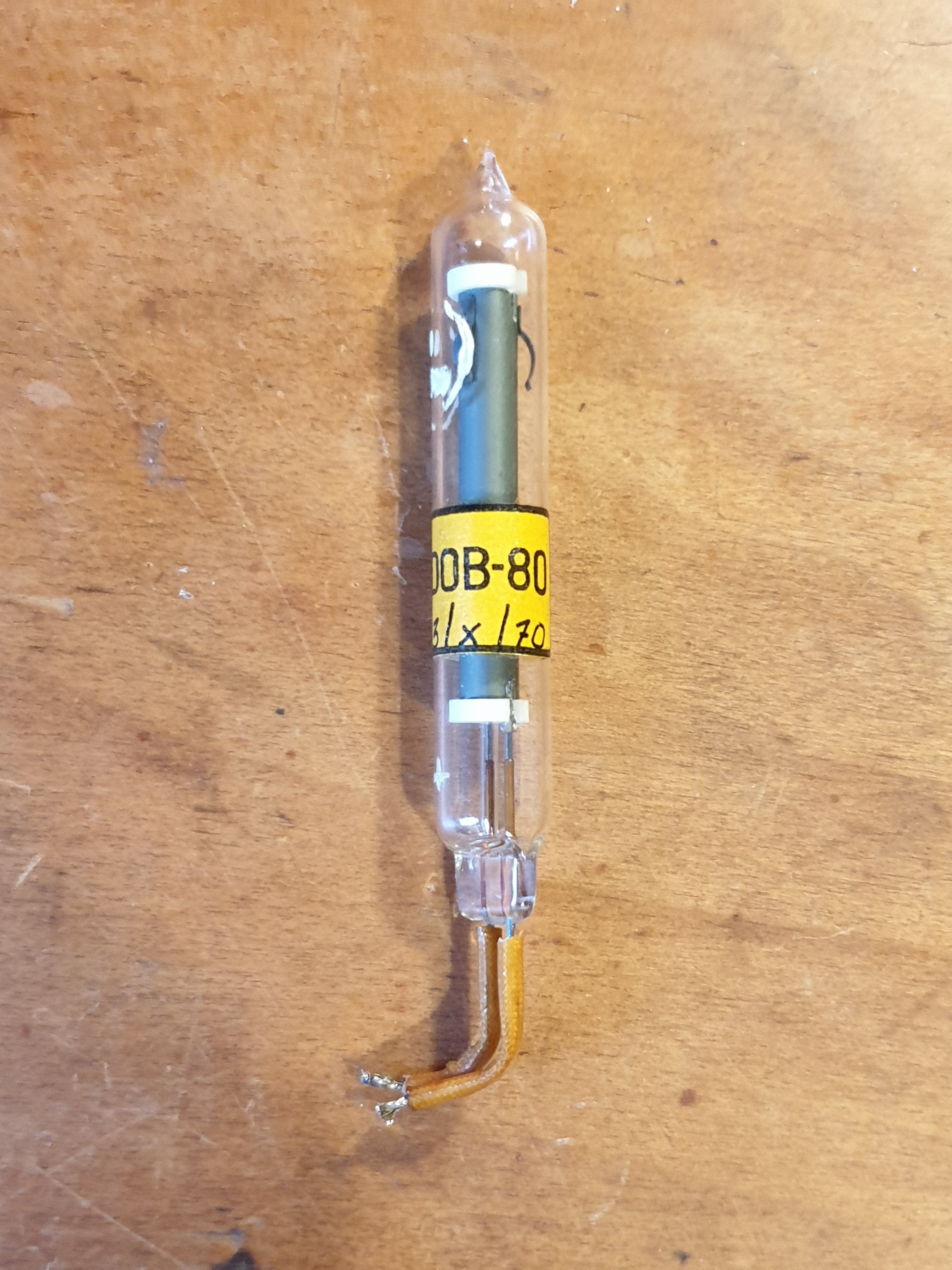
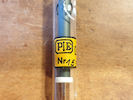
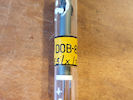
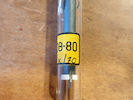
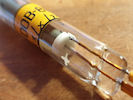
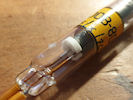
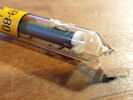
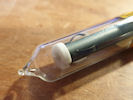
Like the DOB-50, the DOB-80 Geiger–Müller Tube was designed in East Germany during the Cold War period, around 1970, and was produced for use in the Polish military. This is a low sensitivity Geiger–Müller tube and this particular one was taken from a non-working Polish DP-66M Geiger counter. Specs:
×
|
|
|
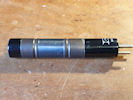
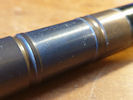
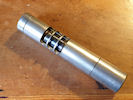
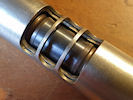
Metal walled, Halogen quenched high sensitivity Geiger–Müller tube. Used in Victoreen and Lionel CD V-700 Civil Defence Geiger counters during the Cold War period This particular tube is from a Victoreen CD V-700 6b that has been stripped down for refurbishment. Specs:
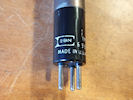
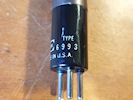
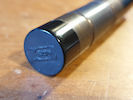
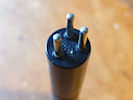
×
|
|
|
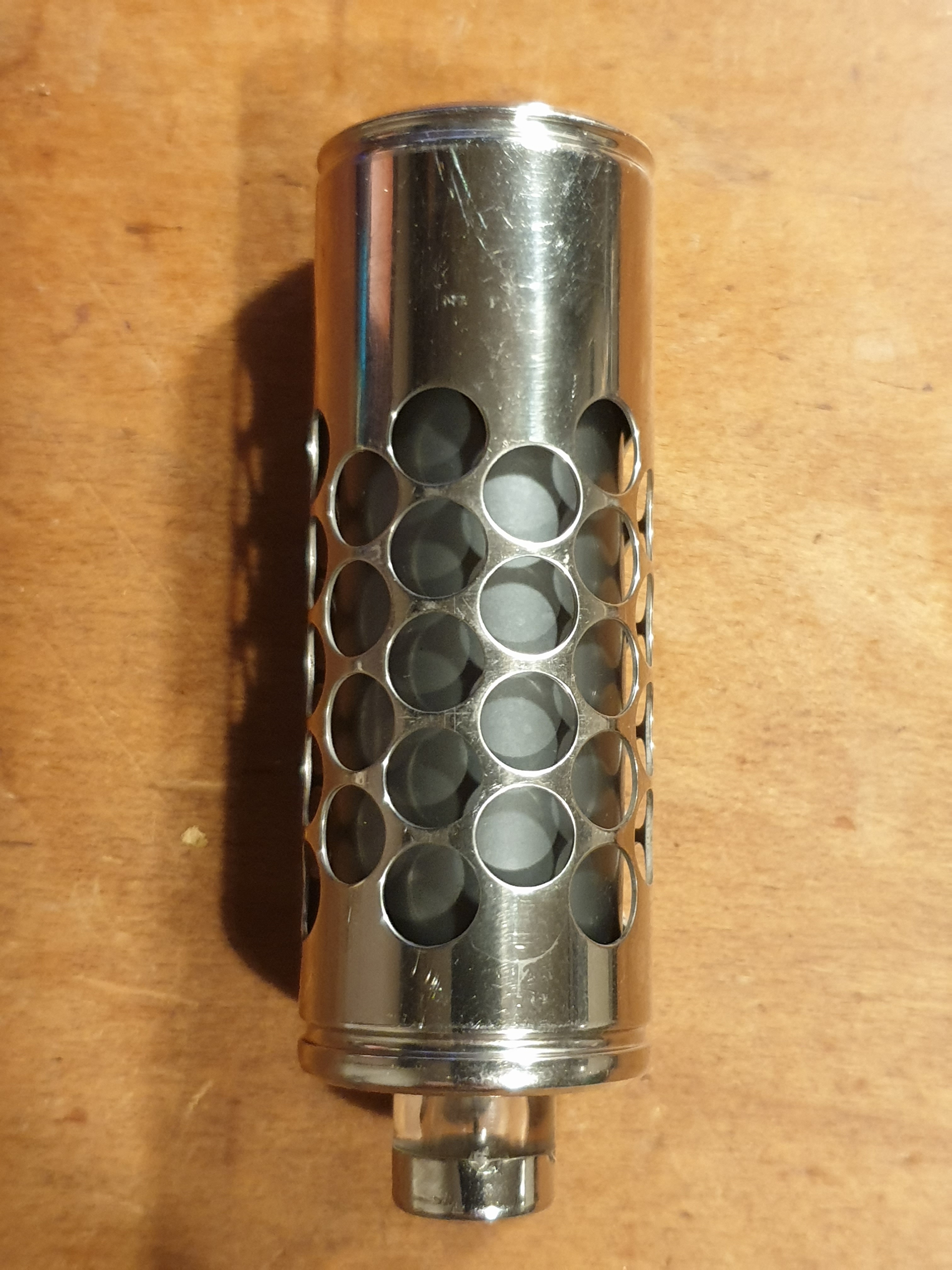
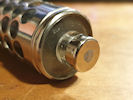
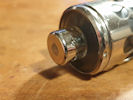
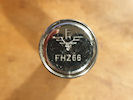
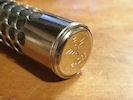
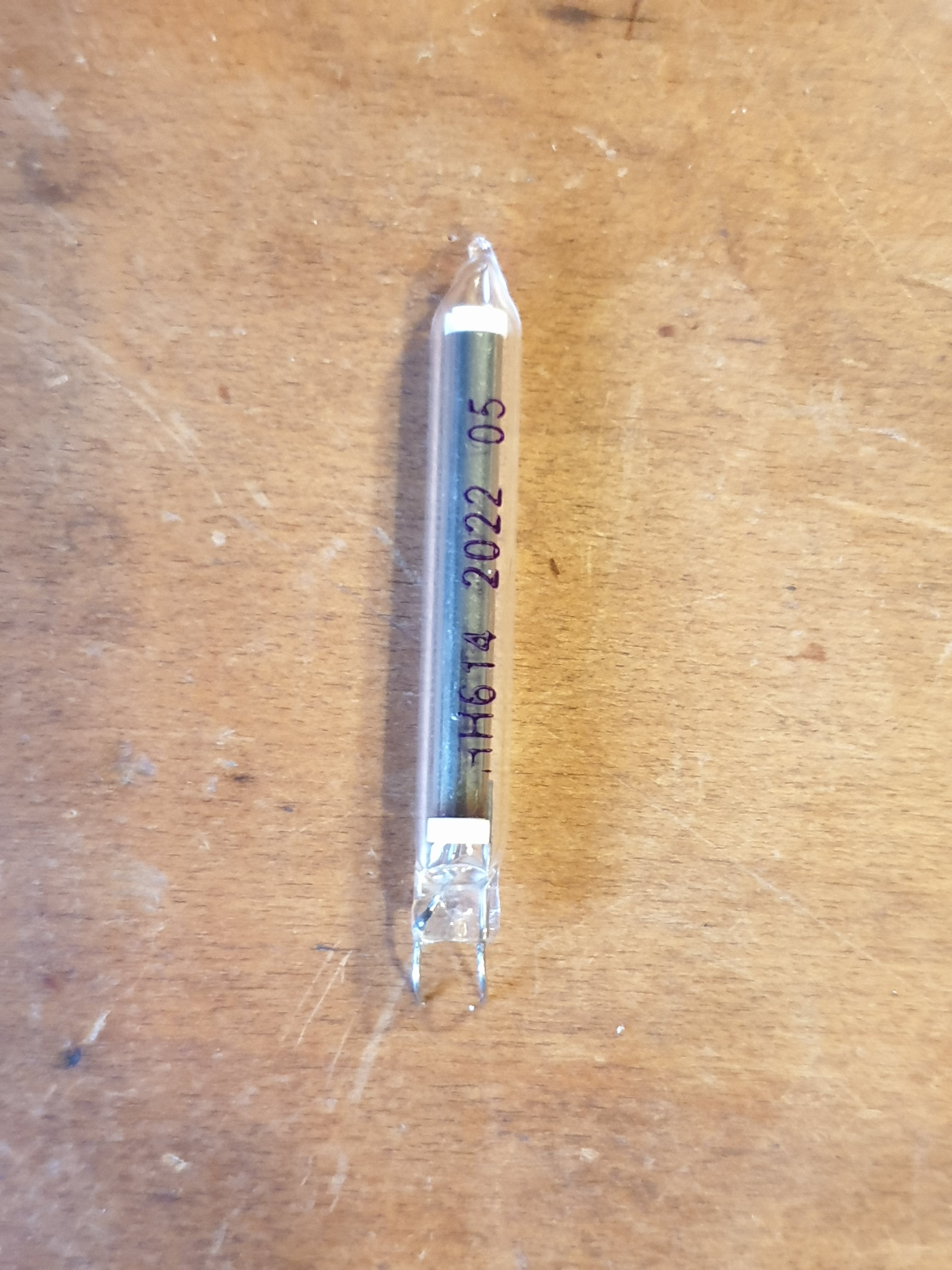
Little is known about this tube at this time. This tube resides in a F&H FH 40 H vintage Geiger counter I own. Some text relating to a similar tube - FHZ76V: 'this counter tube is actually a Philipps / Valvo 18550, there is also Data sheets. The counter tube is also compatible with the following tubes: Centronics ZP1320, Mullard Mx164 and LND-713. According to the Data sheet of the ZP1320 the tube is "calmed" to 9cps / mR / h at Cs-137 (Cesium, 540cpm / mR / h)' Specs: 
×
|
|
|
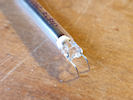
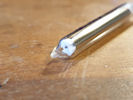
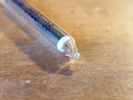
Stainless Steel tube inside a glass envelope. A new tube to the market and was seen around 2022. These are commonly found in cheap Chinese Geiger counters. This particular tube is from cheap, Chinese, HFS-P3 pen type Geiger counter. Specs:
×
|
|
|
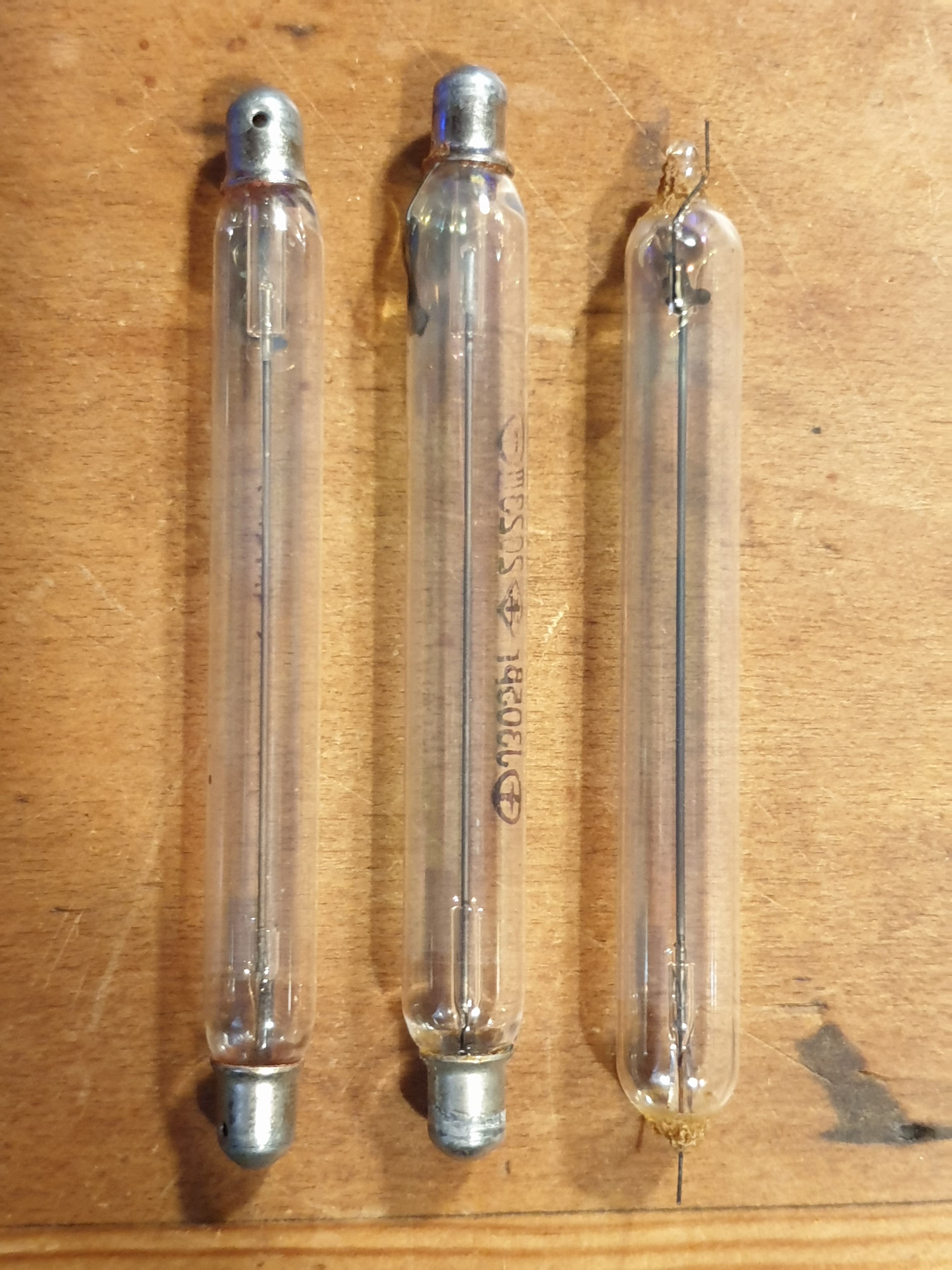
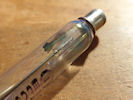
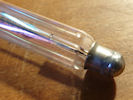
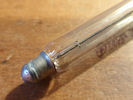
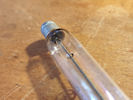
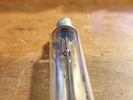
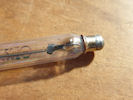
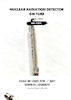
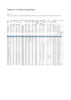
Tin oxide cathode, coaxial cylindrical thin glass shell structure, Halogen quenched Geiger–Müller tube from Shenzhen Sunvision Electronics Tech LTD Pictured left - the left tube is a J305βγ from 2019. Sadly the marking have rubbed off when cleaning. The middle tube is a slightly wider, more recent J305βγ from 2023 and the tube on the right (missing it's end caps) was taken from a cheap FS2011 Geiger counter. This may be a counterfeit GM tube as it bears no markings and the construction differs slightly to the two with markings. The J305 Geiger–Müller tube has become almost synonymous with low-cost Chinese Geiger counters. Some J305 Geiger–Müller tubes are sensitive to light and can cause erroneous readings when subject to UV or sunlight. However, some are not. The tube pictured left is light sensitive, yet the tube in the middle is not. This tube seems to have changed specification over time, or there have been variations thereof. These tubes bear the markings J305, J305β or J305βγ and have been found to have differing size specifications. People have reported differing lengths of 90~92mm, ~105mm and ~110mm. Specs:
×
|
|
|
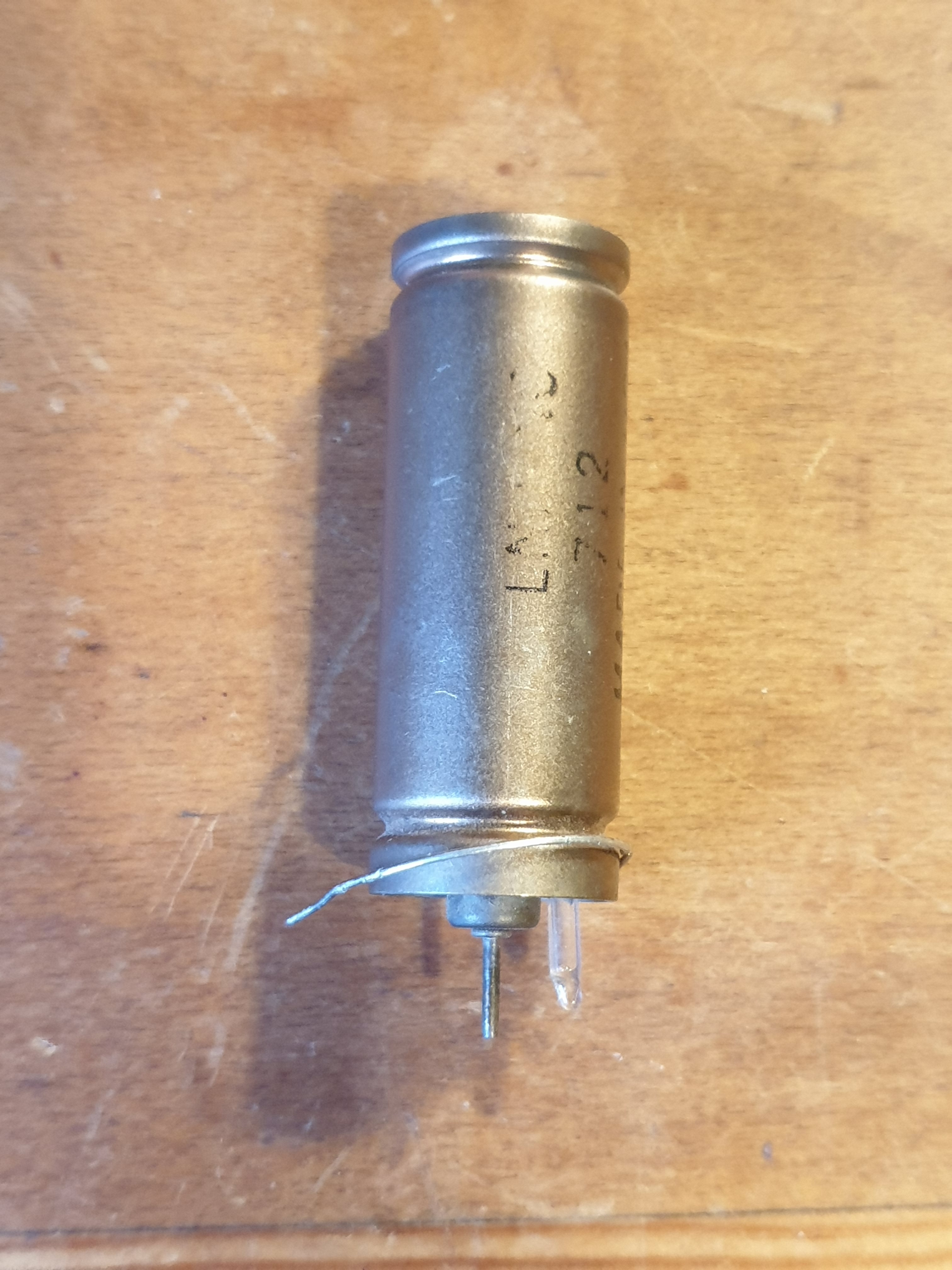
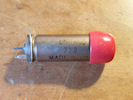
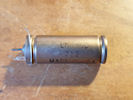
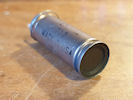
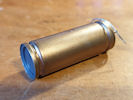
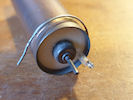
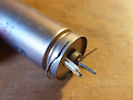
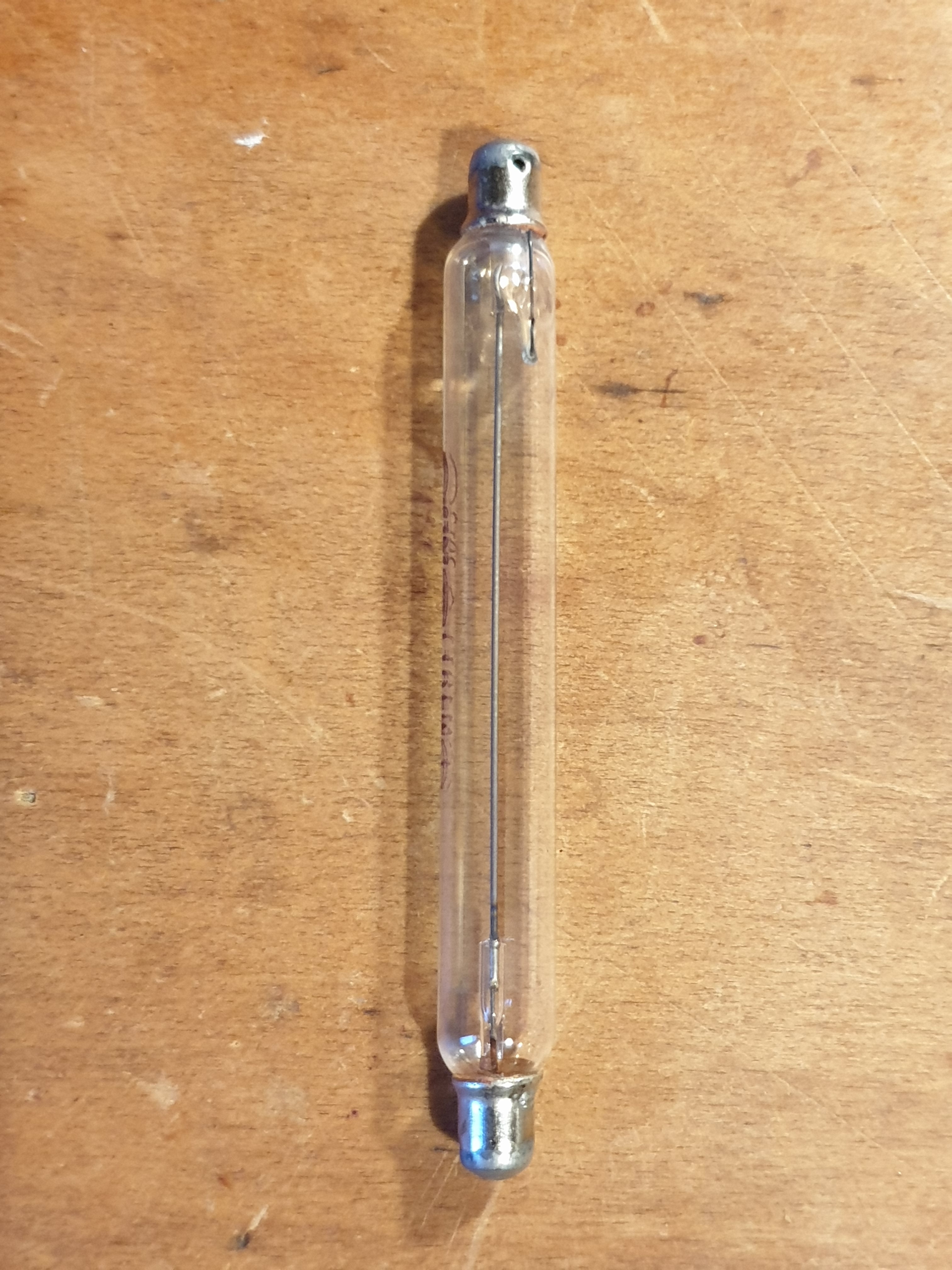
Mica end window Alpha, Halogen quenched, Beta and Gamma Geiger–Müller tube from LND Inc. A very compact yet sensitive end window Alpha, Beta and Gamma detecting Geiger–Müller tube. This tube was taken from a Sparkfun Geiger counter board. An excellent tube for small, portable counters such as the Gamma Scout. Specs:
×
|
|
|
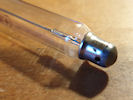
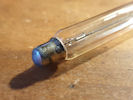
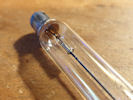
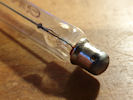
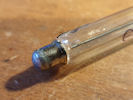
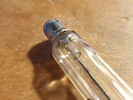
Tin oxide cathode, coaxial cylindrical thin glass shell structure, Halogen quenched Geiger–Müller tube, quite similar to the J305. This tube came in a GQ Electronics GMC-320 Geiger counter. Specs:
×
|
|
|
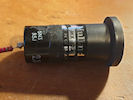
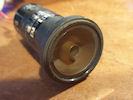
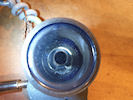
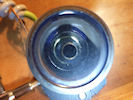
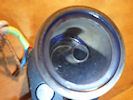
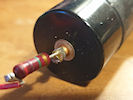
Halogen quenched, end window, beta Geiger–Müller tube. Also known as the Mullard ZP1470 This tube lives in the probe of a Mini Instruments GM Meter type 5.10. They were commonly used in medical Geiger counters in hospitals. Specs:
×
|
|
|
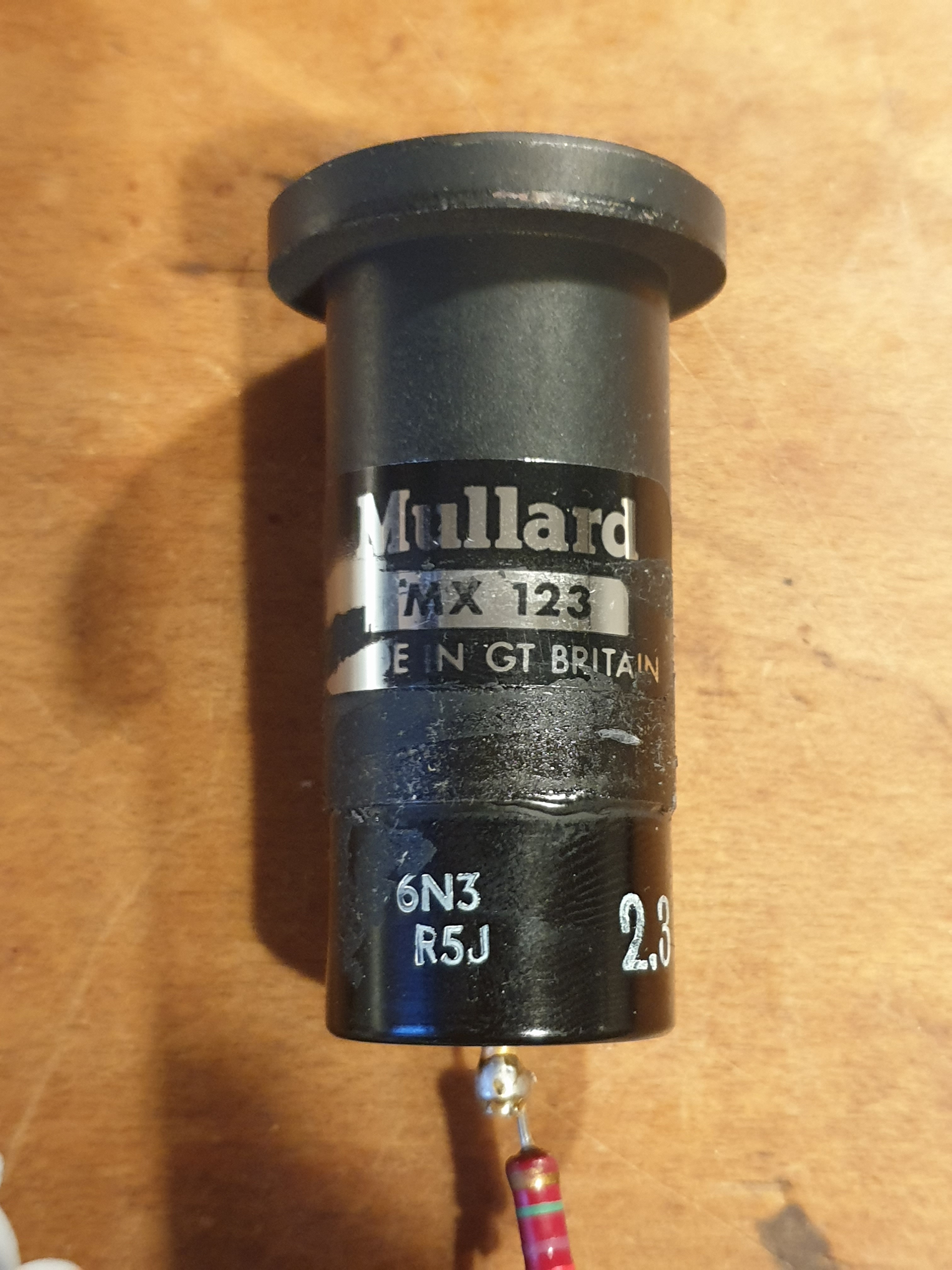
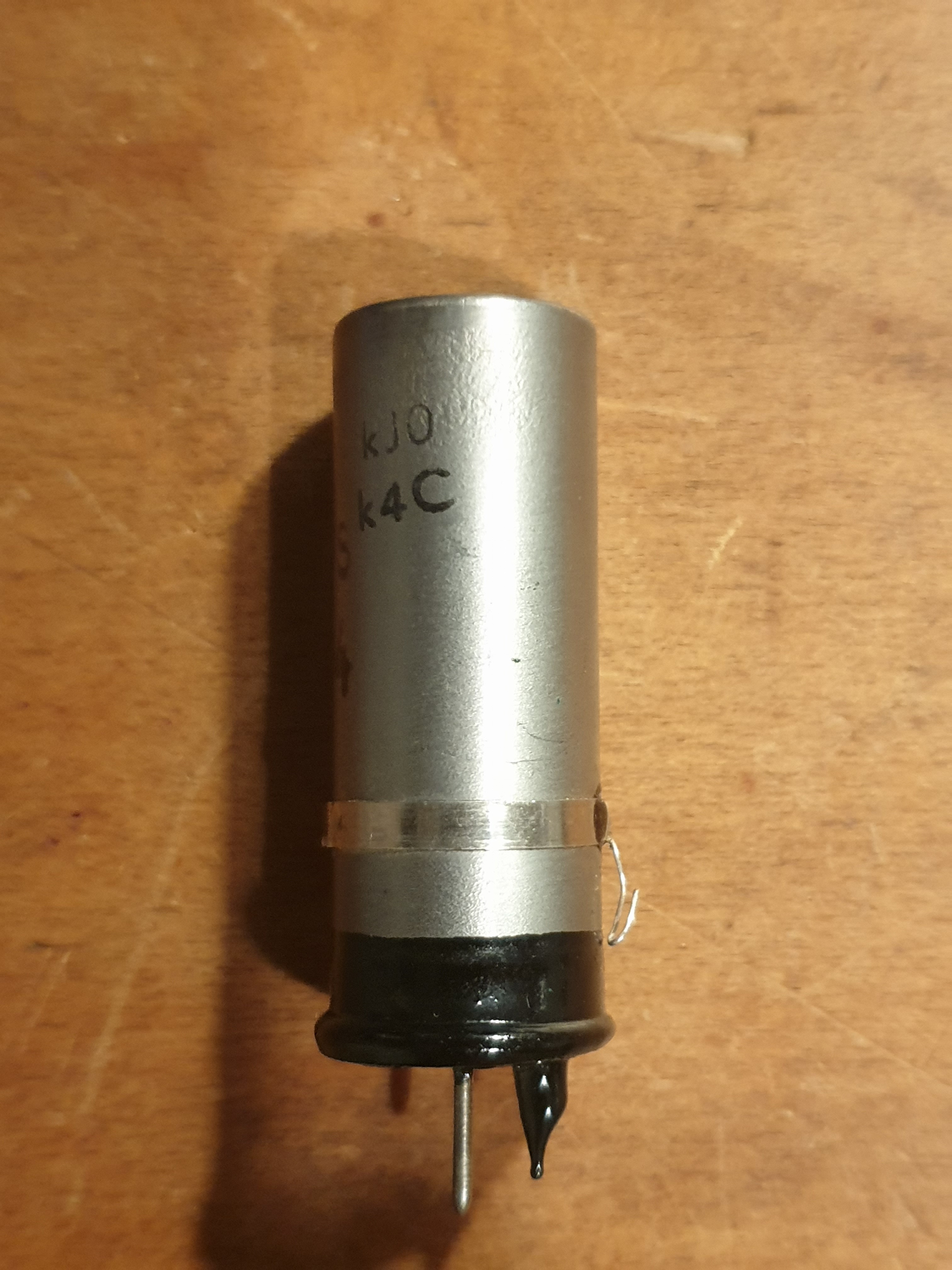
Halogen quenched, Gamma sensitive Geiger–Müller tube. Also known as the Mullard MX120 and Philips 18520 and is very similar to the Robotron 70 013. This tube lives in a beautiful Panax TM64 B. Whilst the datasheet is dated 1980, the counter in which it lives is from circa 1960. The tube pictured is next to a STS-5 GM tube.
×
|
|
|
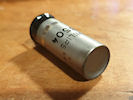
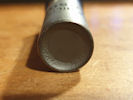
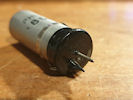
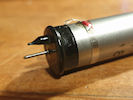
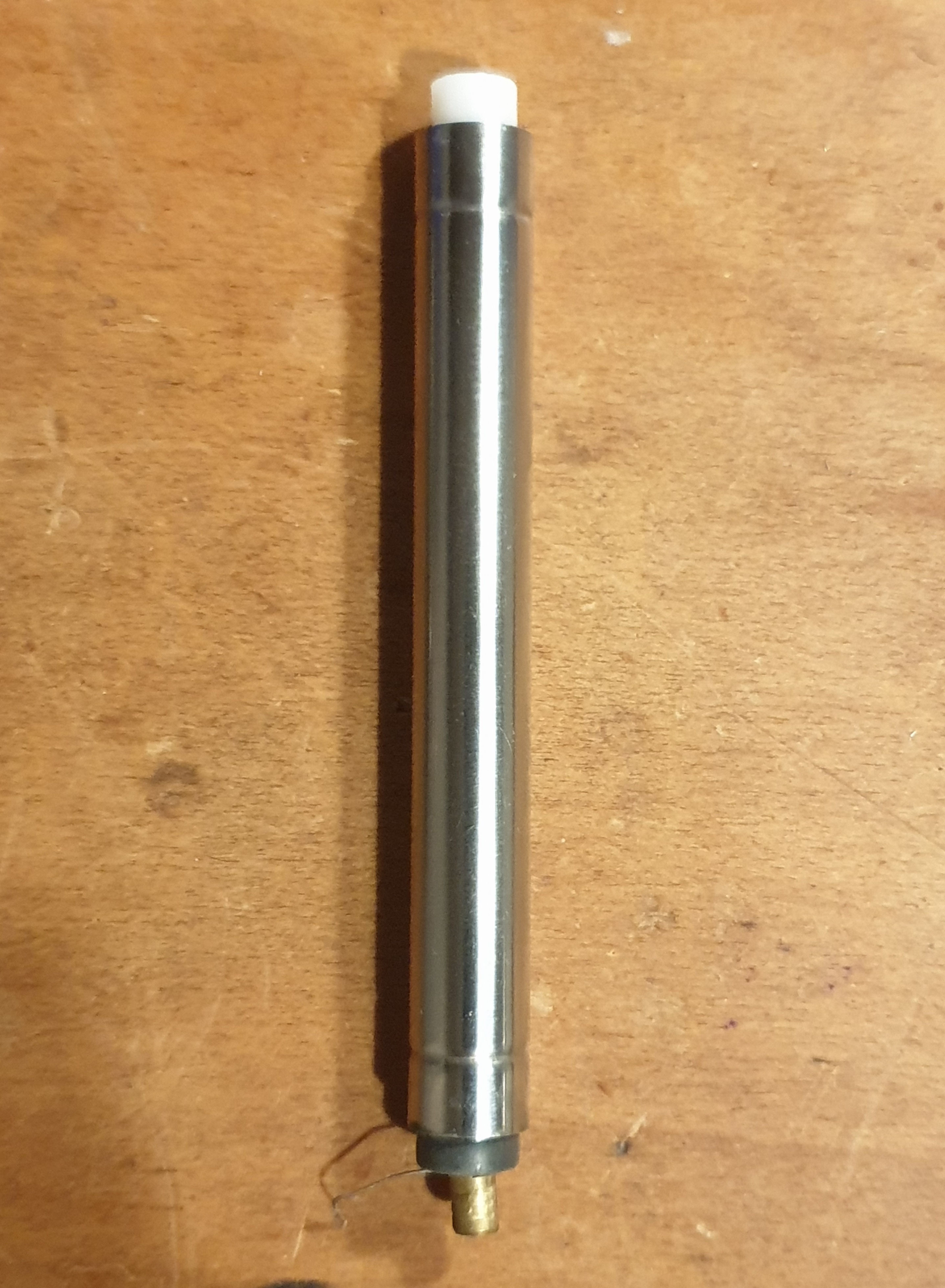
Alpha, Beta, Gamma and Neutron radiation (with modification) sensitive, end window, Geiger–Müller tube with Halogen quenching agent. Also known as the Mullard/Centronic ZP1400. This tube is almost identical to the LND 712, and can be used as a drop-in replacement. It is also much cheaper than the LND 712 on the used tube market, at the time of writing - 24/01/2026. Specs:
×
|
|
|
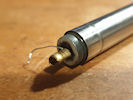
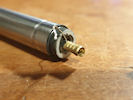
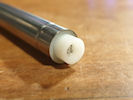
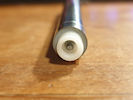
Gamma and hard Beta sensitive, metal walled, Geiger–Müller tube from Russia. This data was kindly given to me from the GC10 user's page. This tube is similar to a SBM-20, but slightly more sensitive. This one lives in a NetIO GC10next Geiger counter from Japan. Specs:
×
|
|
|
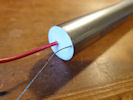
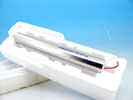
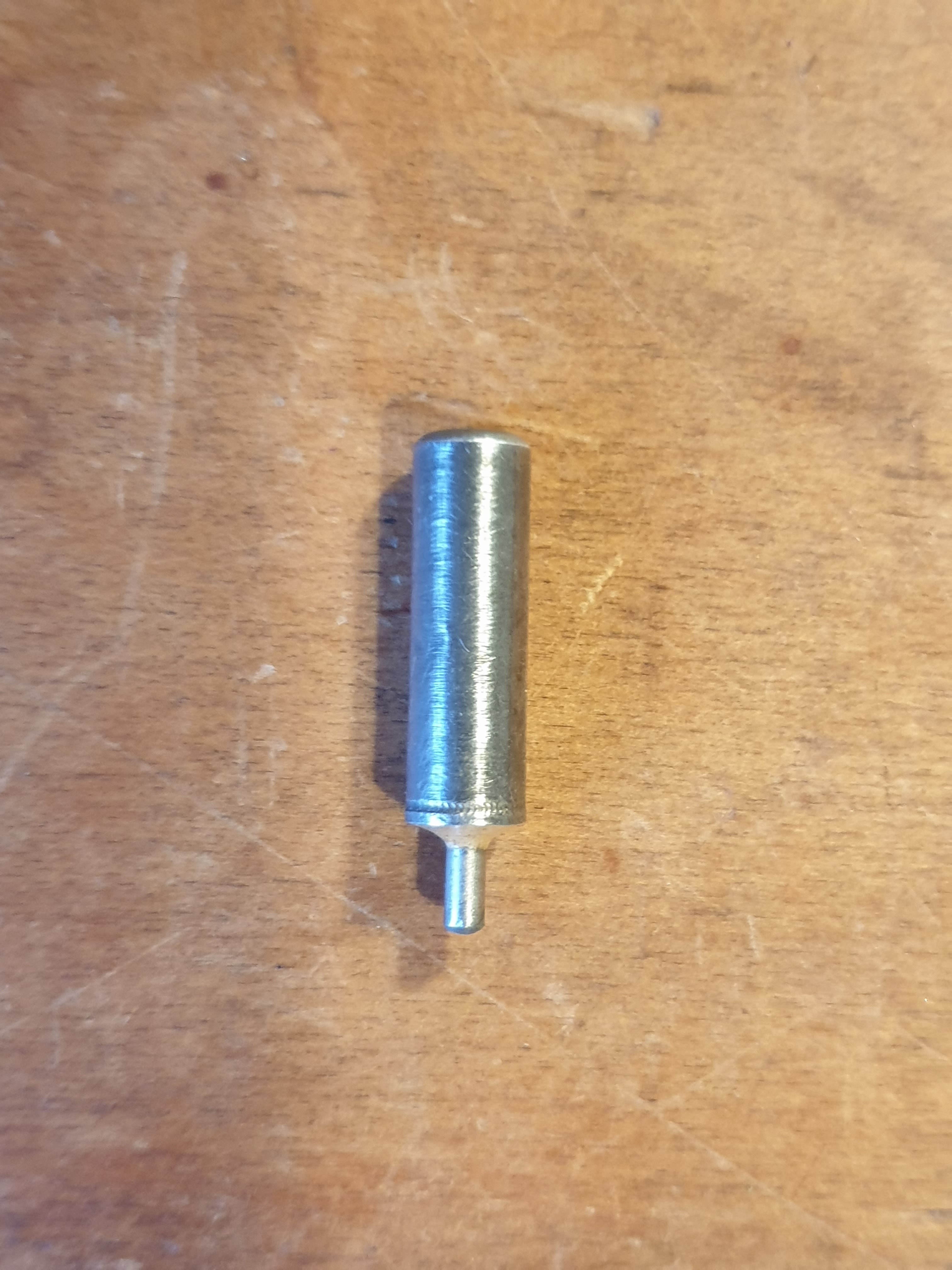
High sensitivity Gamma and X-Ray sensitive, Halogen quenched, Geiger–Müller tube by VacuTec in Germany.. This tube is very similar to a Mullard MX120, ZP1210 and Philips 18520. Specs:
×
|
|
|
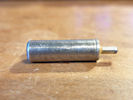
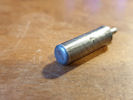
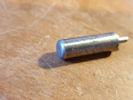
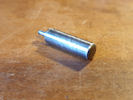
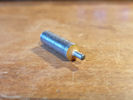
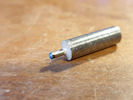
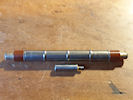
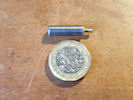
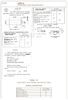
A miniature, Gamma and hard Beta sensitive, Halogen quenched Geiger–Müller tube. This tiny tube is about 7 times less sensitive than a SBM-20, and certainly smaller. In the pictures you can see it with a British Pound coin and also next to a SBM-20. Ideal for a pocket Geiger counter. Specs:
×
|
|
|
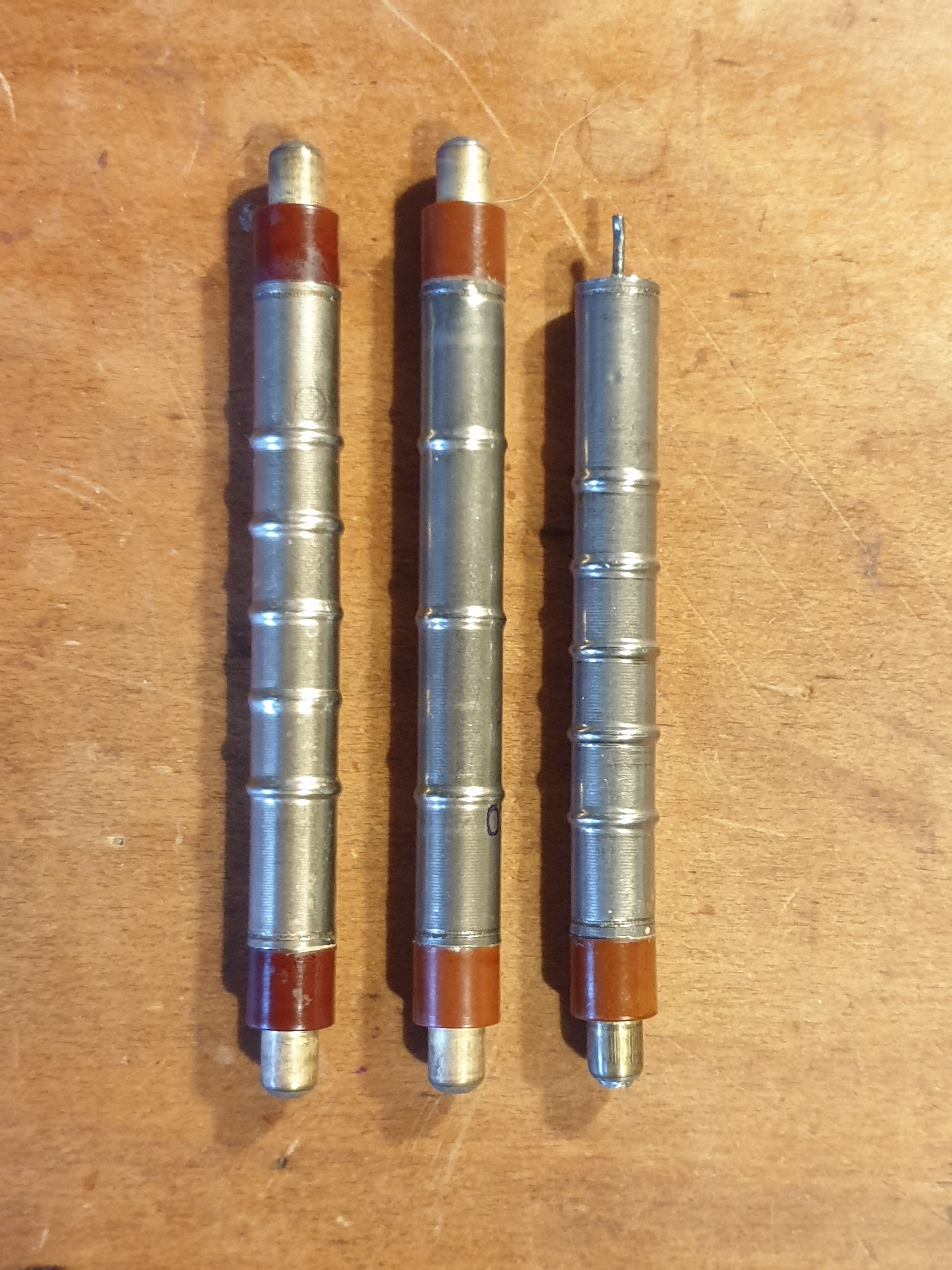
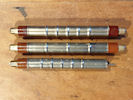
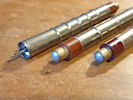
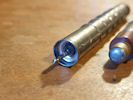
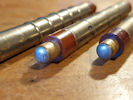
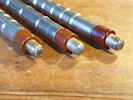
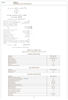
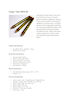
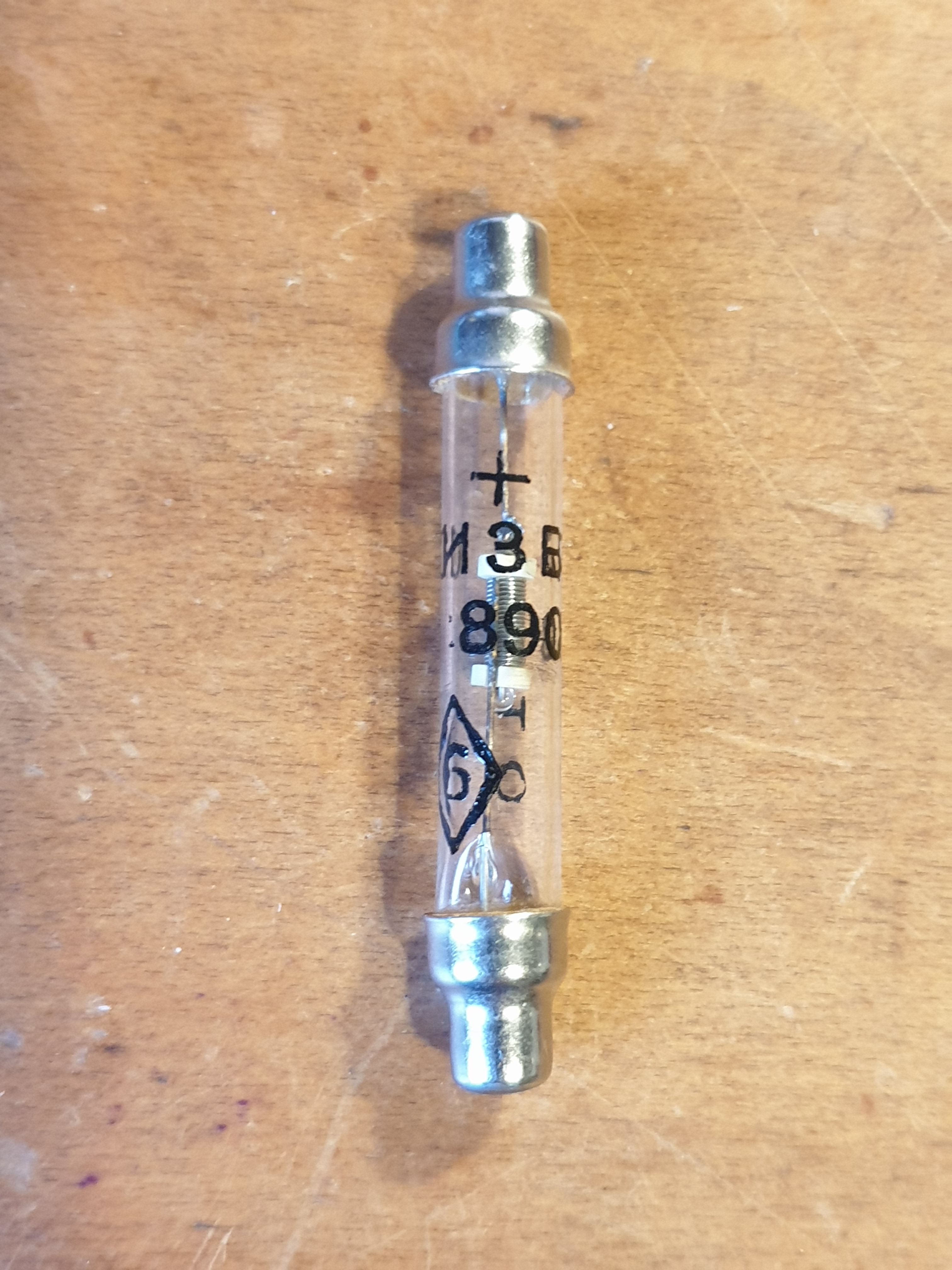
The SBM-20 is the quintessential Soviet Geiger–Müller tube from the 1970s to the 1990s Pictured left is an older, original style SBM-20 tube from the 1970's. Center is a more modern version from around the 1990's. Right is the slightly shorter SBM-20U variant with only one end cap and the anode exposed. All three variants have the same effective sense area. Specs:
×
|
|
|
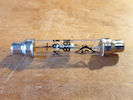
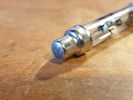
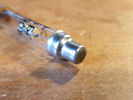
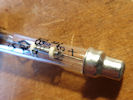
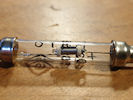
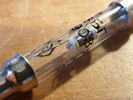
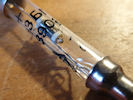
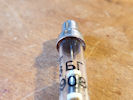
A small, low sensitivity, Gamma and hard Beta Geiger–Müller tube. This tube is hardly sensitive due to the cathode size and is intended for use in high radiation environments. It shows next to no background counts. Specs:
×
|
|
|
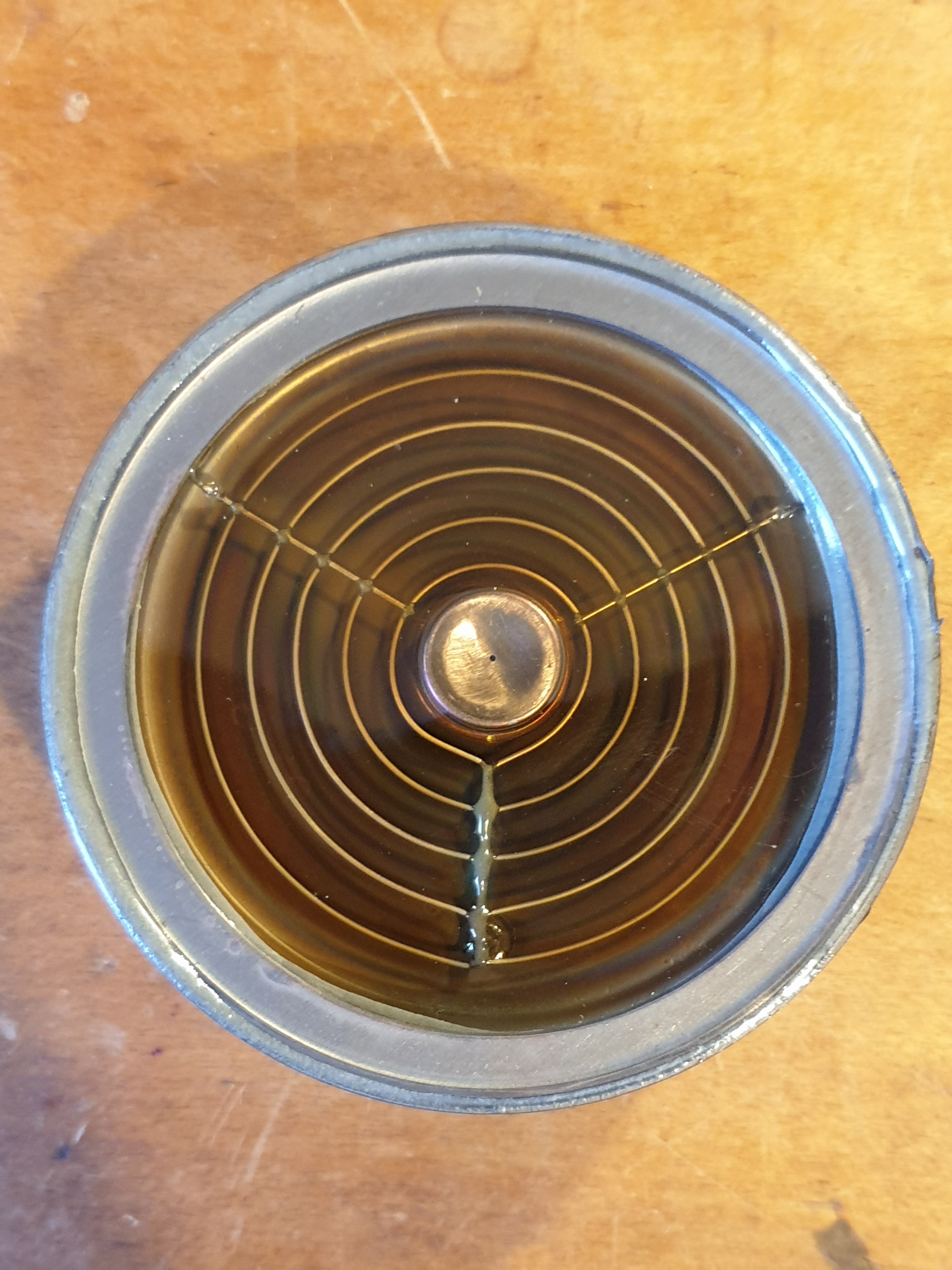
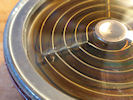
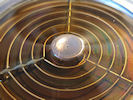
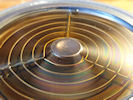
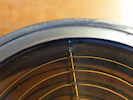
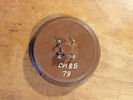
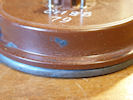
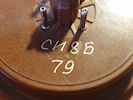
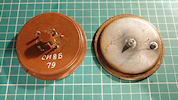
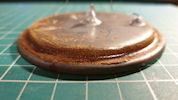
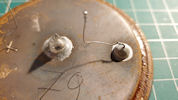
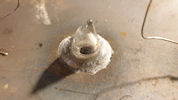
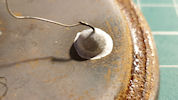
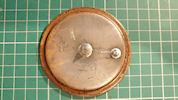
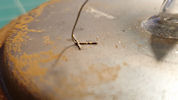
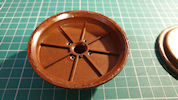
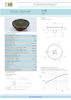
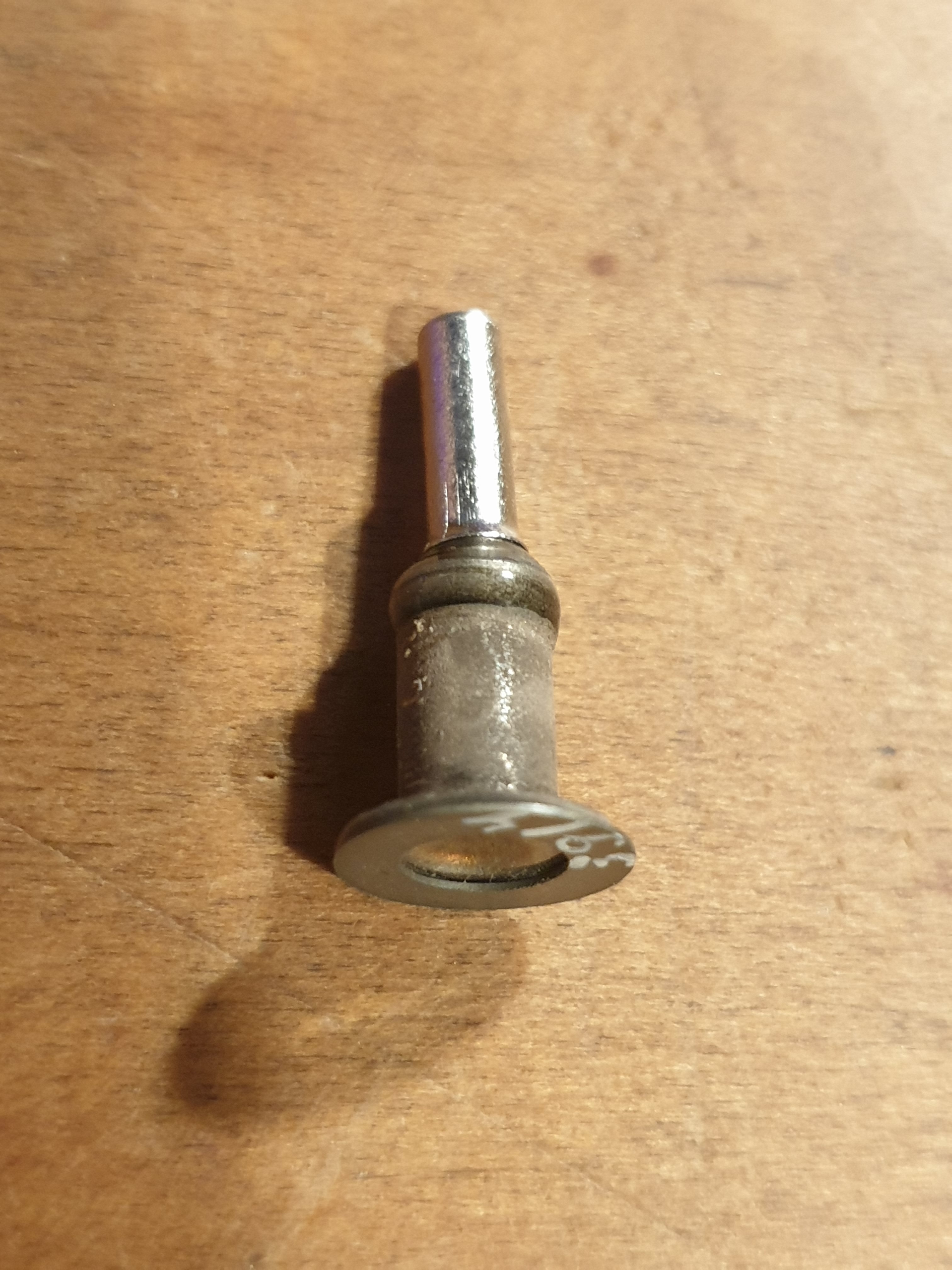
A large, high sensitivity, end window pancake Geiger–Müller tube, sensitive to soft Beta. This is a thing of beauty, and a joy forever. Very sensitive to small sources. This tube is quite fragile due to it's thin Mica window. The glue fixing the tube to the Bakelite back failed, so this was an ideal opportunity to photagraph it's innards. Specs:
×
|
|
|
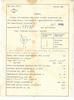
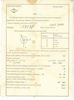
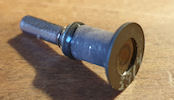
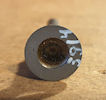
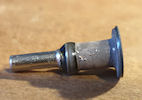
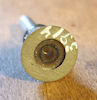
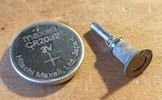
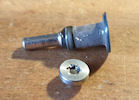
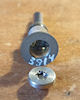
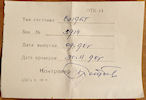
A miniature, low sensitivity, mica end-window, Gamma and hard Beta Geiger–Müller tube. This tube is possibly the smallest Mica end-window Geiger–Müller tube in the world. It is not very sensitive due to it's size. The window is approximately 6mm diameter. This tube was shipped from Ukraine and came with a couple of bits of paper in Russian. In the pictures you can see the tube next to a CR2032 battery and also next to an Am-241 button. Specs:
×
|
|
|
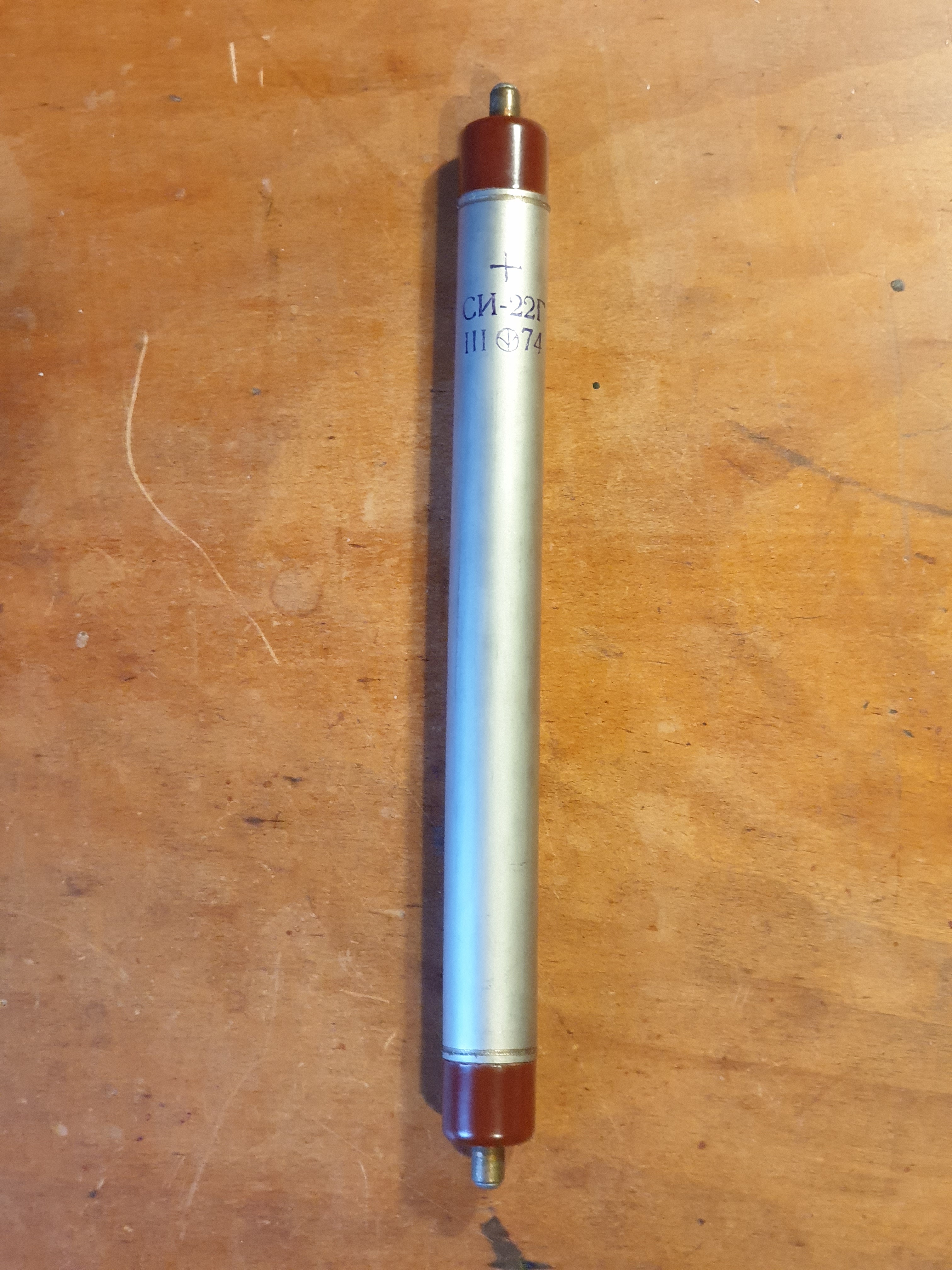
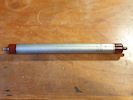
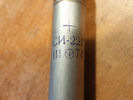
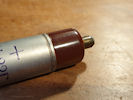
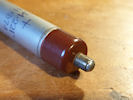
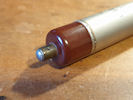
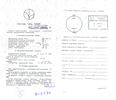
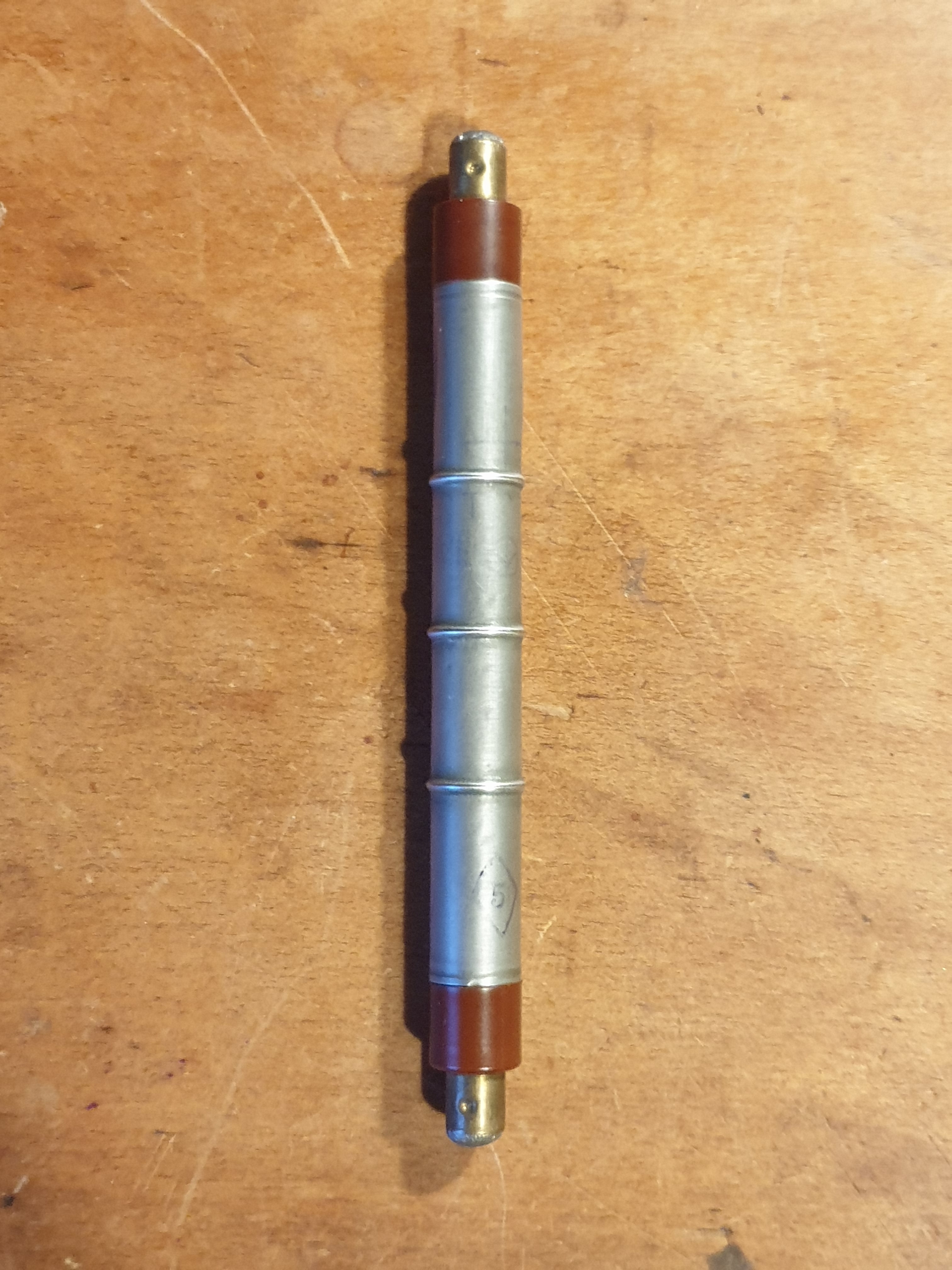
A large, high sensitivity, Gamma and hard Beta Geiger–Müller tube made for the Soviet Military. This tube is quite sensitive due to it's size. Ideal for use in monitoring equipment and dosimeters. Specs:
×
|
|
|
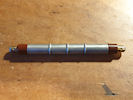
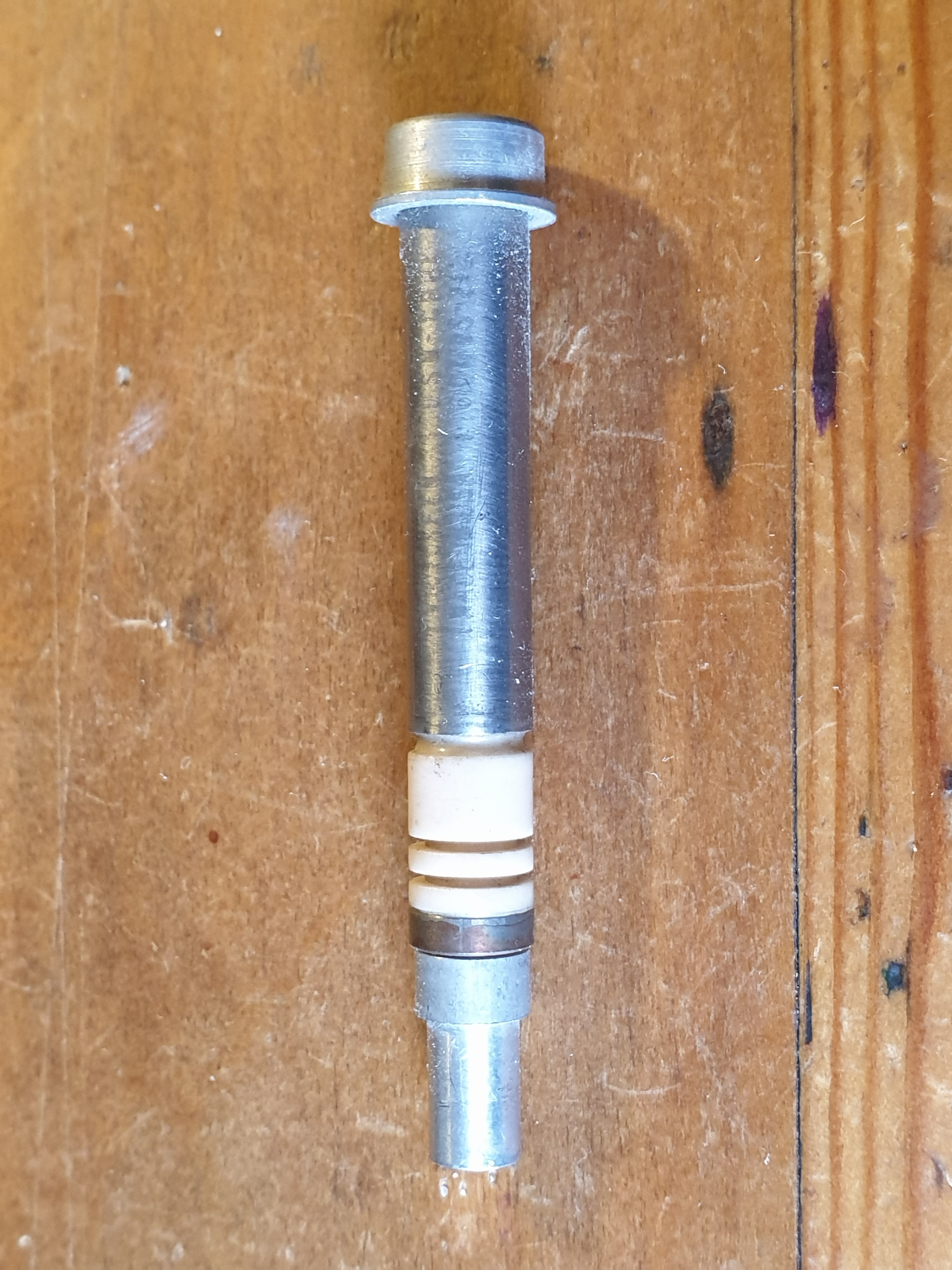
Moderately sensitive. Detects Gamma and hard Beta. This tube is very similar to the SBM-20. Whilst the electrical specs are very similar to the SBM-20, it should be noted that the STS-5 tube is slightly longer than the SBM-20. It can serve as a drop-in replacement for the SBM-20, but it might not quite fit due to it's length. Specs:
×
|
|
|
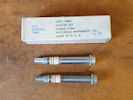
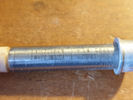
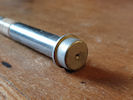
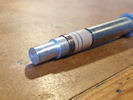
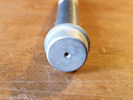
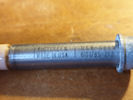
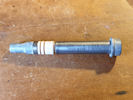
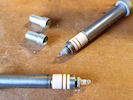
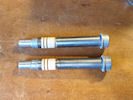
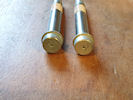
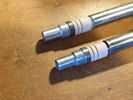
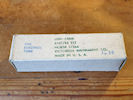
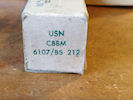
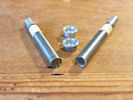
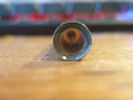
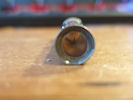
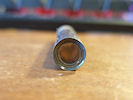
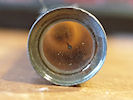
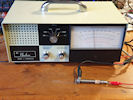
Among the more intriguing relics of early radiation detection technology are the Victoreen 6107 / BS-212 Geiger-Müller tubes, believed to have been manufactured circa 1943–1944 by the Victoreen Instrument Company of Cleveland, Ohio. These devices are marked with "USN-C88M" and "MADE IN USA | 6107 / BS-212", clearly identifying them as products of a U.S. Navy contract during the Second World War. (AI generated text) The 6107 is a halogen-quenched end-window GM tube featuring a thin mica window, making it sensitive to alpha, beta, and gamma radiation. Despite being over 80 years old, examples of the 6107 have been found in working order. In testing, they demonstrate stable operation at approximately 750 volts, with strong, clean pulse responses even to weak alpha emitters such as americium-241. In one instance, tubes achieved in excess of 20,000 counts per minute (CPM) when exposed to Am-241 at a 3–4mm distance, a testament to the durability and craftsmanship of the era. (AI generated text) Specs:
×
Some more info on these tubes here.
|
|
|
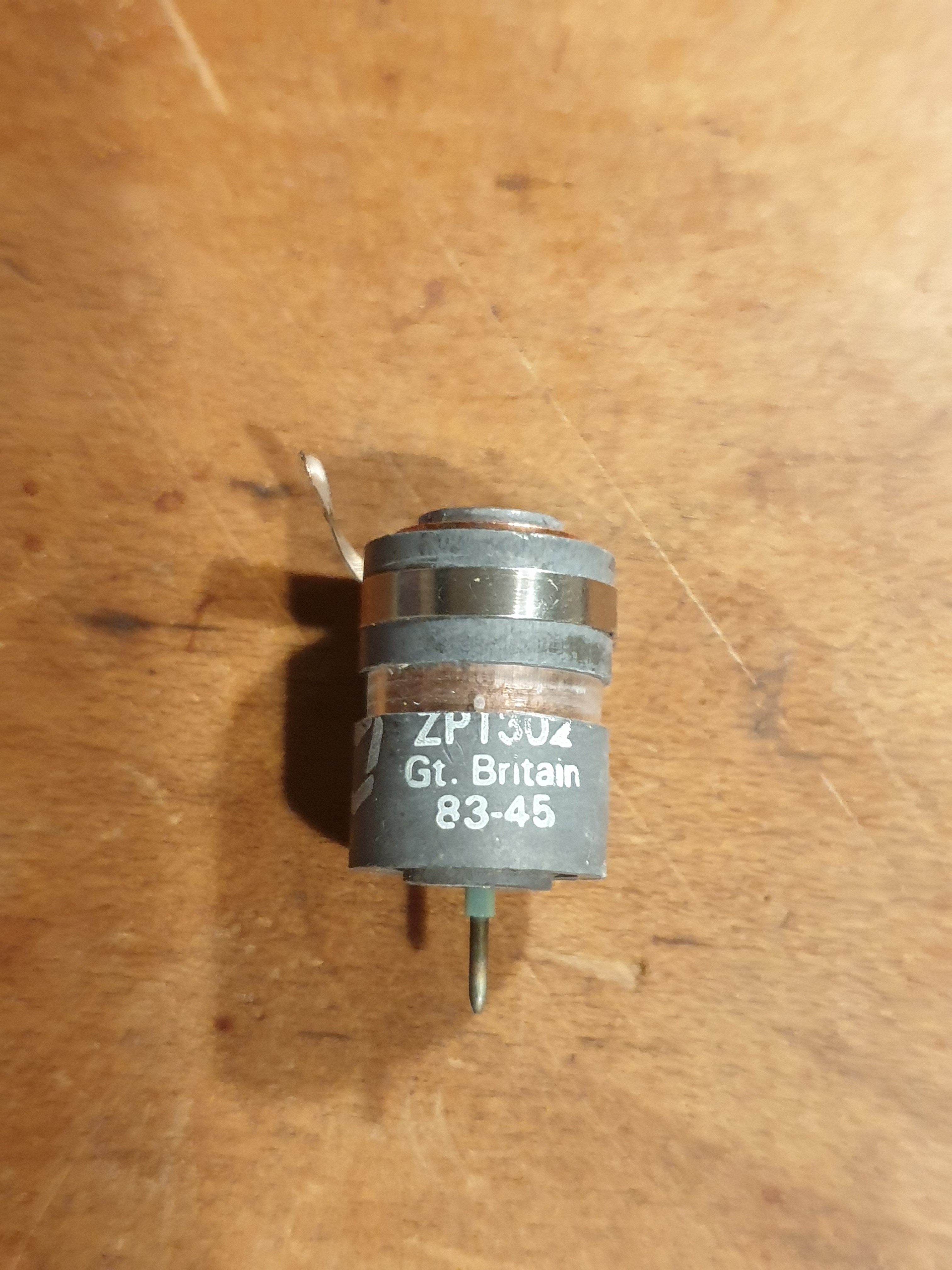
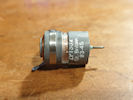
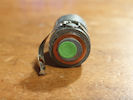
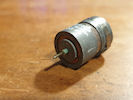
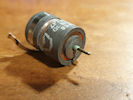
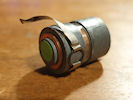
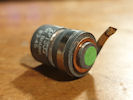
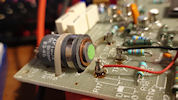
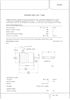
Energy compensated, Halogen quenched, Gamma sensitive Geiger–Müller tube with compensating filter and long life artificial background. The datasheet linked here is for the ZP1301, but states 'also available with long life artificial background as ZP1302. This tube lives in a Plessey PDRM 82, as shown in one of the pictures. It was removed for photographing.' Specs:
×
| |