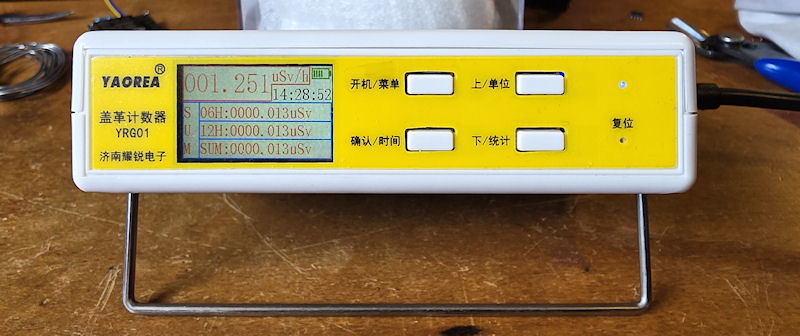
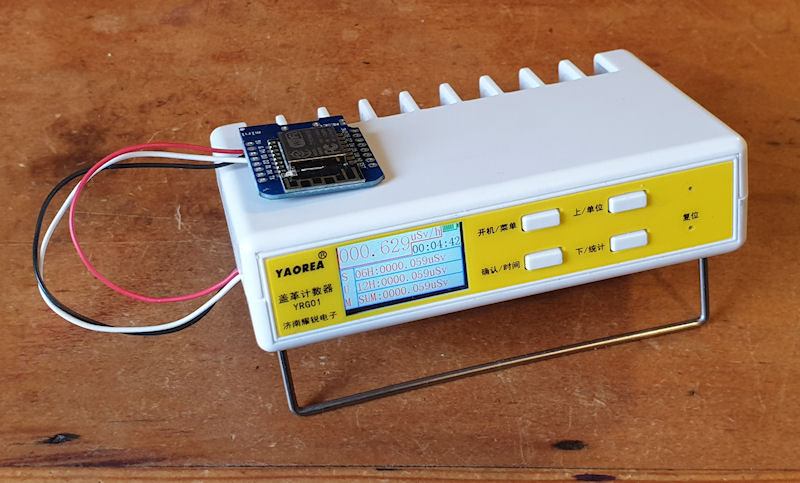
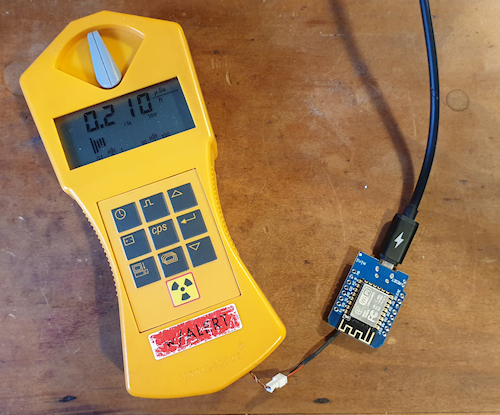
I have a few of these little counters on hand and decided to mod a few. One I have at my office sat on my desk, and another two I'll be sending out in the wild. My original intention was to mod a bunch of them and sell them to potential radmon.org users as a 'works right out of the box' counter submitting to radmon.org. I changed my mind after realizing they take a lot longer to actually mod than I initially thought (because I'm doing a much better job on these than the first), and that recently a version of ESPGeiger firmware was released with a bug that made them unable to update
-
-
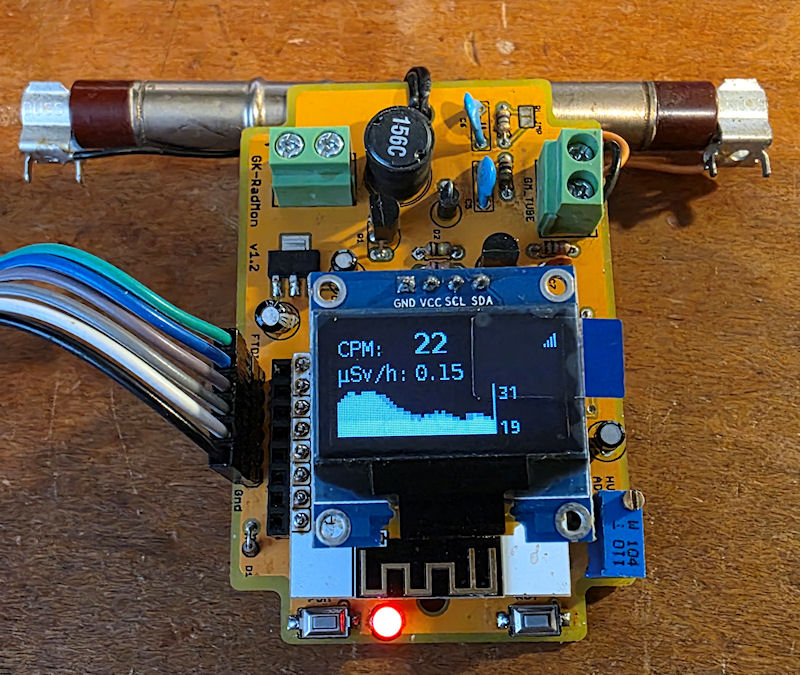
Modifying my GK Radmon kit Geiger counter to run ESPGeiger firmware has gained a little interest in it. John (BroHogan) the creator of the GK Radmon and other kit counters caught wind of this and appears very happy for me to be slicing and dicing his work - all in the good spirit of things, and Steadramon, the writer of the ESPGeiger firmware is looking if he can make a drop-in version of his ESPGeiger firmware that can be loaded onto the GK Radmon (and probably GK Radmon Plus too) without the need to modify the counter itself. That would be very cool. It has also spurred on an ESPGeiger
-
Please note that this mod is no longer necessary as the pins can be selected within the ESPGeiger firmware settings. A couple of days ago Steadramon released an updated version of his ESPGeiger firmware, which included a new webhook feature I had been patiently waiting for. This got me playing about with ESPGeiger again and the thought crossed my mind "can I get it to run on my GK Radmon?" I bought my GK Radmon kit about five years back. I didn't like the original firmware much. Not that it was bad, it just didn't suit the way I use my counters. The original firmware was written for very low
-
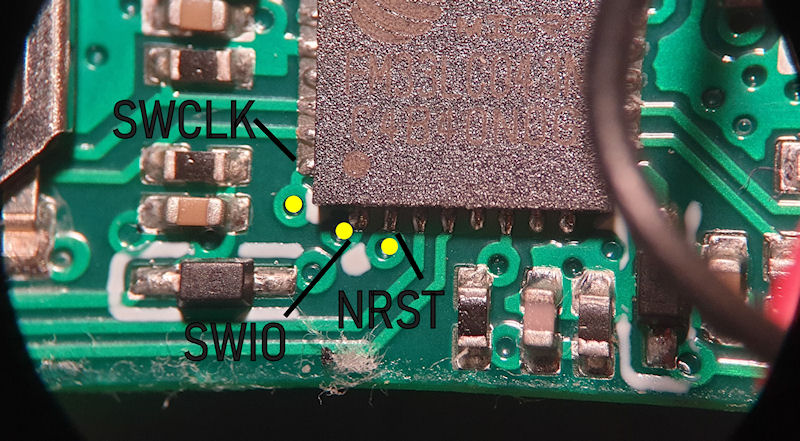
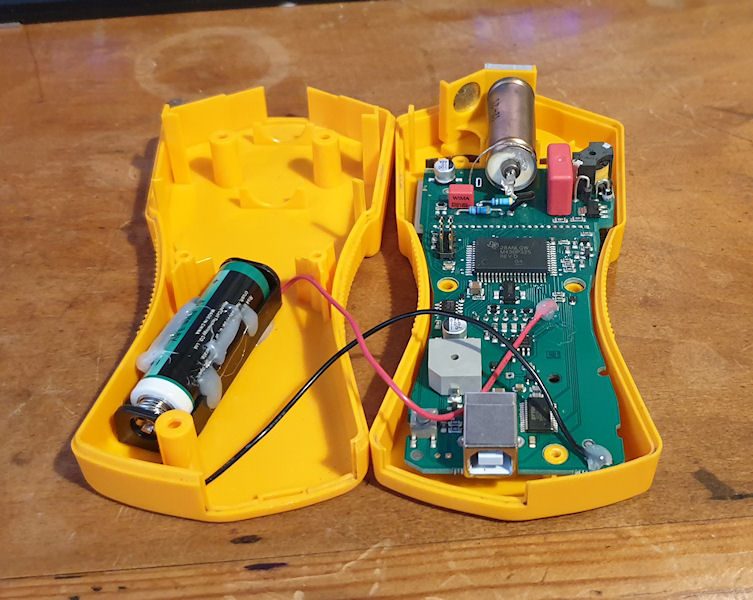
I couldn't wait to tinker with this so I decided to mod this in lieu of getting the ESP-12 modules and programmer. Using a scope I found the connection points I needed, Soldered some wires on. Soldered a Wemos D1 Mini clone on the other end, installed ESPGeiger 0.7.0, and boom! Literally as simple as that. Using the scope I checked the ribbon cable pins one by one and found the pulse coming from the PSU board. I didn't want to solder right on the ribbon, it looks janky already, so probed about and found that it is connected to L12. The MCU side of the inductor is where I soldered the pulse
-
I was asked by Gissio to try and download the original firmware from my HFS-P3, so I tried. Alas, no joy so far. ☹️ Under the battery (stuck down with sticky tape) is a pin header. Probably designed to have a pogo pin connector connect to it as there is no room to solder on an actual pin header. I just soldered wires to it directly. I managed to work out the pins by tracing the circuit, but I had to use my microscope as the connections on the MCU really are that small! I took photos of both sides and flipped one then overlaied one over the other so I could line up the vias on the board. You
-
A member (of radmon.org) asked me if the Gamma Scout would/could work with radmon.org using the USB and software the counter came with. The answer to that is a simple, no, not out of the box, but it could be done with a quick hack. Simply add a couple of wires and connect them straight to an ESP8266 or similar MCU. This guide only covers the 'Alert' model. There may be differences with other Gamma Scout models. Here is how: Open up the Gamma Scout and locate the small transistor at the top left of the board, right above the pin header. There we are going to solder on a wire to the middle pin
-
Something I really dislike is planned obsolescence, and closely 2nd to that, where things are not user serviceable and have to be returned to the manufacturer for minor things such as battery replacement. I'm a large advocate of 'right to repair'. The battery in the Gamma Scout is a 10 year, 3.6v Lithium battery soldered directly onto the board. Gamma Scout (at last check some time ago) wanted 40 Euro plus shipping one way to Germany to replace the battery. Pfft! The original battery is about £20 all in for a replacement, but I decided to go another route and modify the Gamma Scout to take a
-
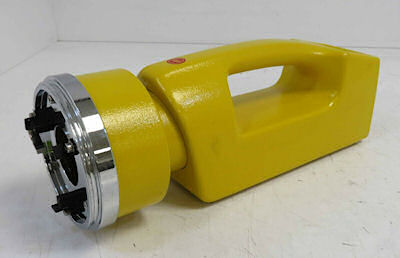
I have bought a 'PBI Microbial Air Sampler SAS Super 90' just for the simple fact it looked proper funky! I have no idea if it works, or how it works, or even exactly what it does, but bought it for shits and giggles. I paid £15. Working, they are going for about £1000! I care not for testing microbes in the air, so I figure I can make something with it. So far I have thought I can turn it into a ridiculously powerful flash light. Something around 100w LED. I could use a liquid cooler in the body, LED and smallish heatsink at the end, use the display for something, temperature, power and