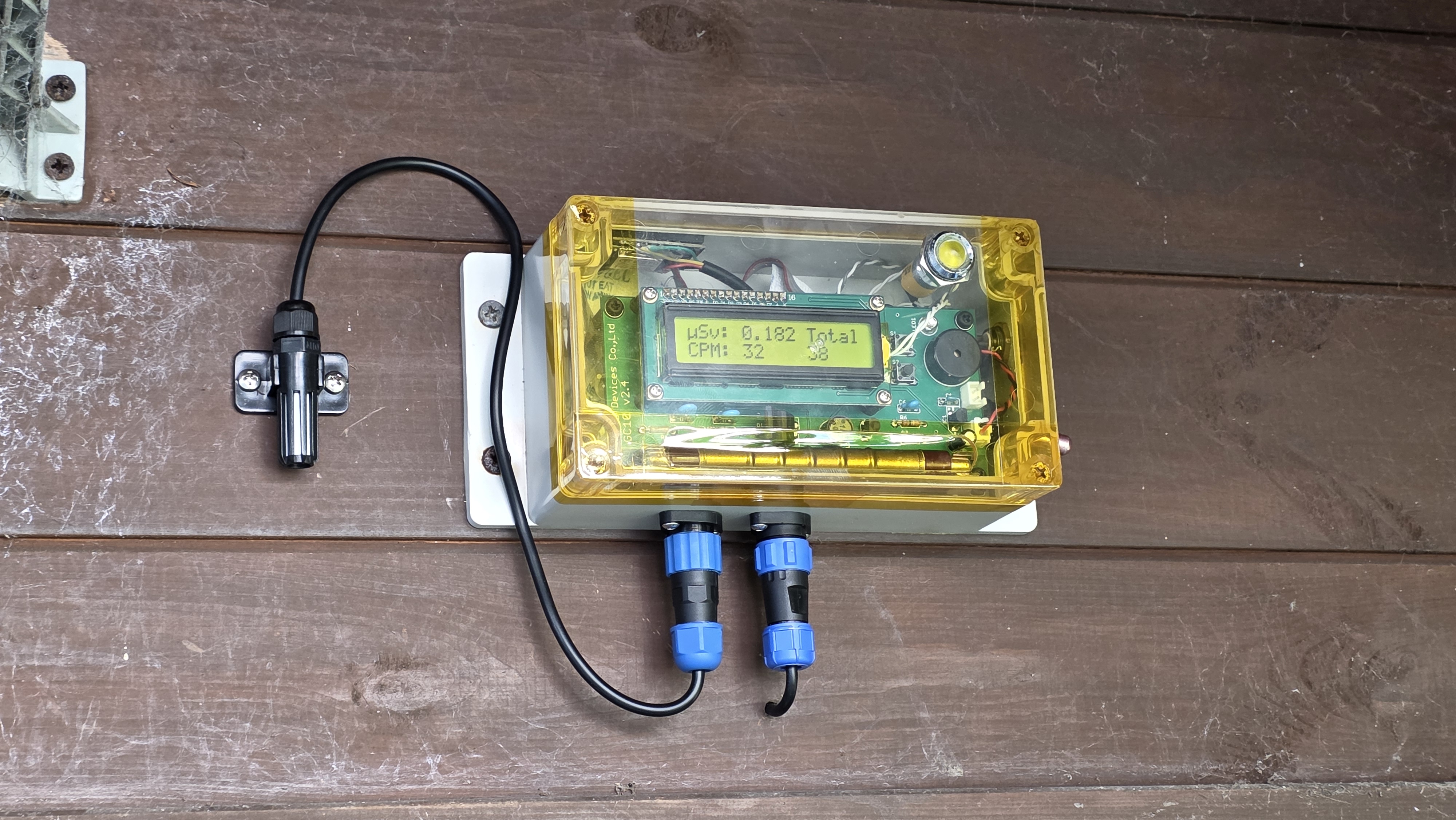
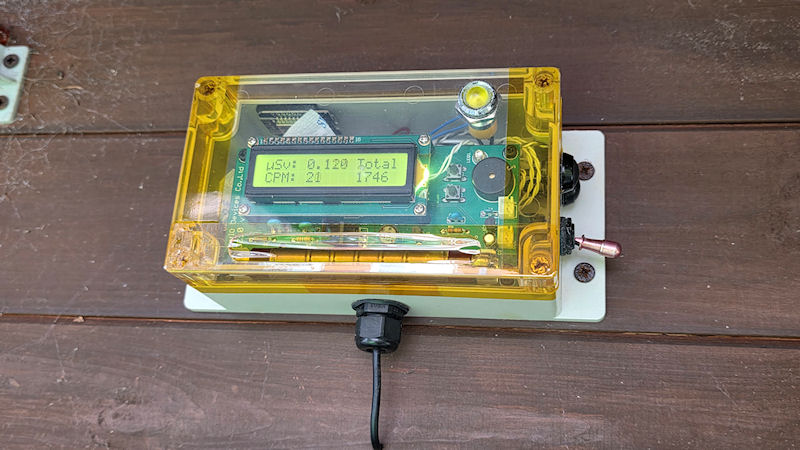
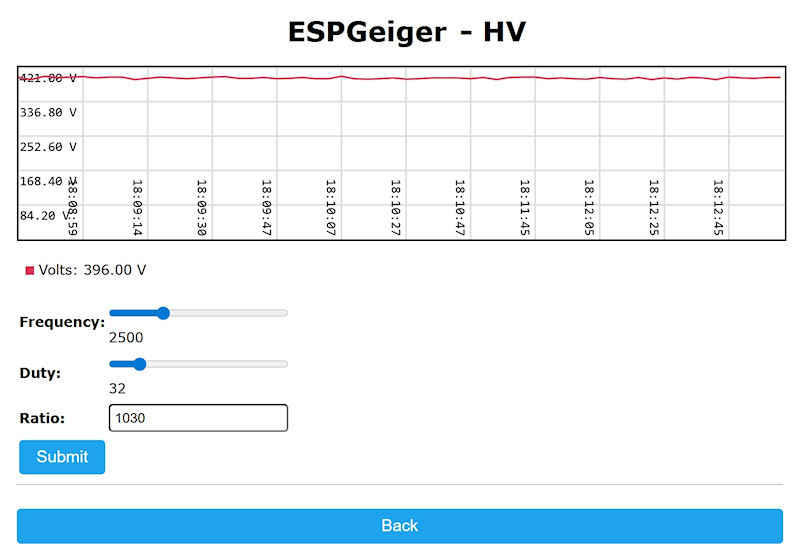
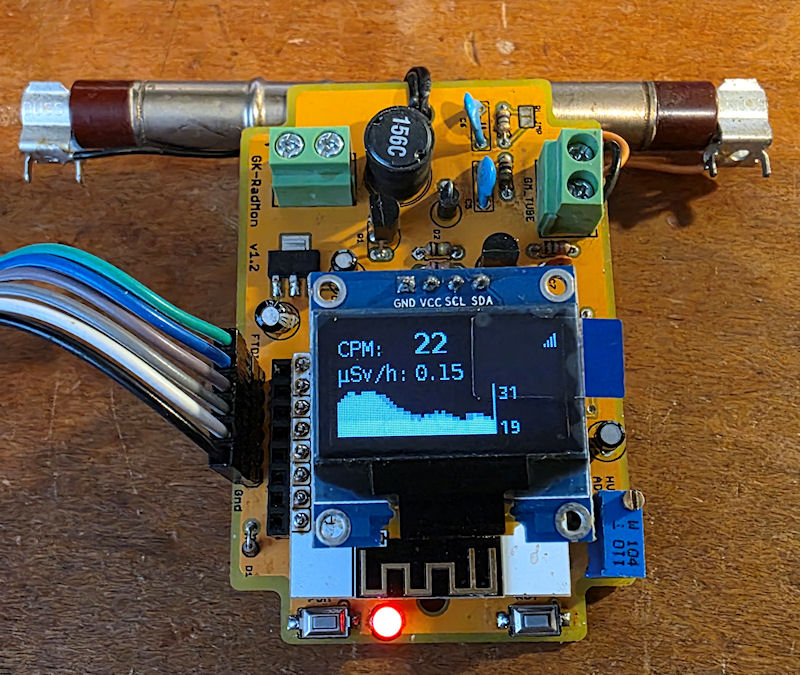
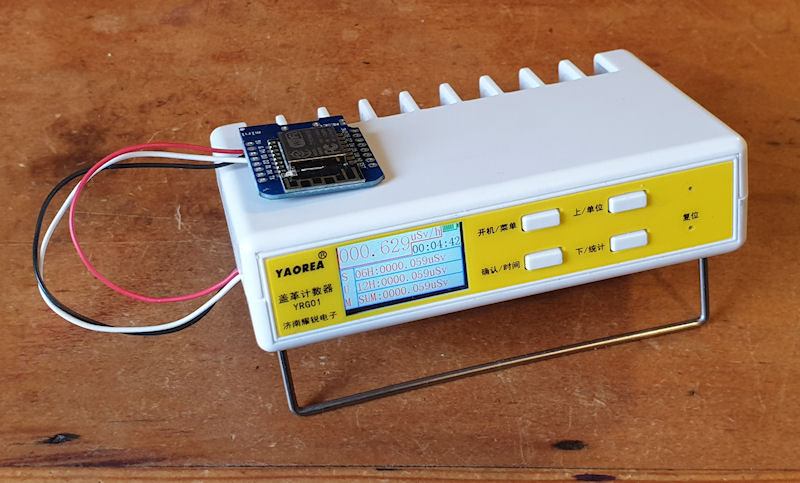
I couldn't wait to tinker with this so I decided to mod this in lieu of getting the ESP-12 modules and programmer. Using a scope I found the connection points I needed, Soldered some wires on. Soldered a Wemos D1 Mini clone on the other end, installed ESPGeiger 0.7.0, and boom! Literally as simple as that. Using the scope I checked the ribbon cable pins one by one and found the pulse coming from the PSU board. I didn't want to solder right on the ribbon, it looks janky already, so probed about and found that it is connected to L12. The MCU side of the inductor is where I soldered the pulse
-
-
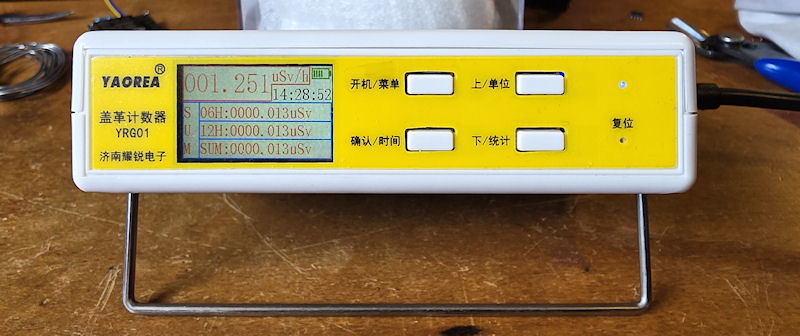
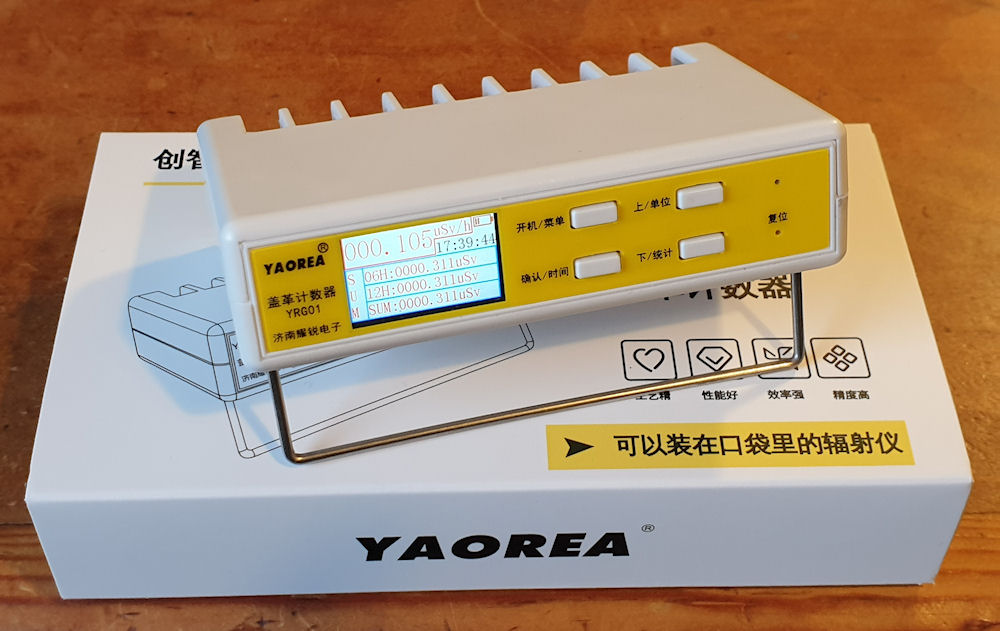
Yaorea YRG01 I bought another cheap Chinese counter from Aliexpress and I am impressed, especially for the price of £27 shipped to my door. Despite its cheap appearance it actually offers a lot of bang for buck. I haven't looked into it closely, but there seems to be a lot of attention to detail, and I reckon whoever designed this really gave a damn about it. 😄 It came up in suggested products on Aliexpress and I wouldn't have bothered about it if not for the fact that someone reviewed it and posted pictures of its insides. "Okay, a glass tube... Ooh a separate PSU board with a big hunking
-
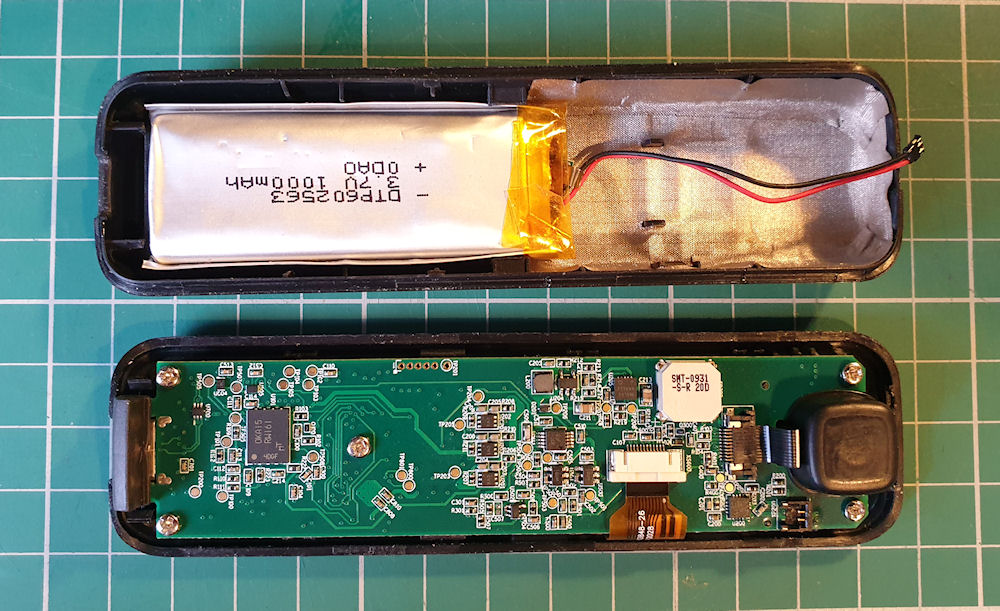
*** Please note: Working with lithium batteries can potentially be hazardous. Damaging the battery can potentially cause fire or explosion. Learn and understand the risks before performing such a repair. *** I had to replace the battery in my Radiacode 101 as it was becoming potentially dangerous. I noticed the main button on the Radiacode wasn't pressing in properly and was sticking at times, so I popped the unit open and found the battery had expanded and was putting pressure on the circuit board, and thus making the button tight. The battery hadn't expanded like other LiPo's I have had,
-
I was asked by Gissio to try and download the original firmware from my HFS-P3, so I tried. Alas, no joy so far. ☹️ Under the battery (stuck down with sticky tape) is a pin header. Probably designed to have a pogo pin connector connect to it as there is no room to solder on an actual pin header. I just soldered wires to it directly. I managed to work out the pins by tracing the circuit, but I had to use my microscope as the connections on the MCU really are that small! I took photos of both sides and flipped one then overlaied one over the other so I could line up the vias on the board. You
-
A member (of radmon.org) asked me if the Gamma Scout would/could work with radmon.org using the USB and software the counter came with. The answer to that is a simple, no, not out of the box, but it could be done with a quick hack. Simply add a couple of wires and connect them straight to an ESP8266 or similar MCU. This guide only covers the 'Alert' model. There may be differences with other Gamma Scout models. Here is how: Open up the Gamma Scout and locate the small transistor at the top left of the board, right above the pin header. There we are going to solder on a wire to the middle pin
-
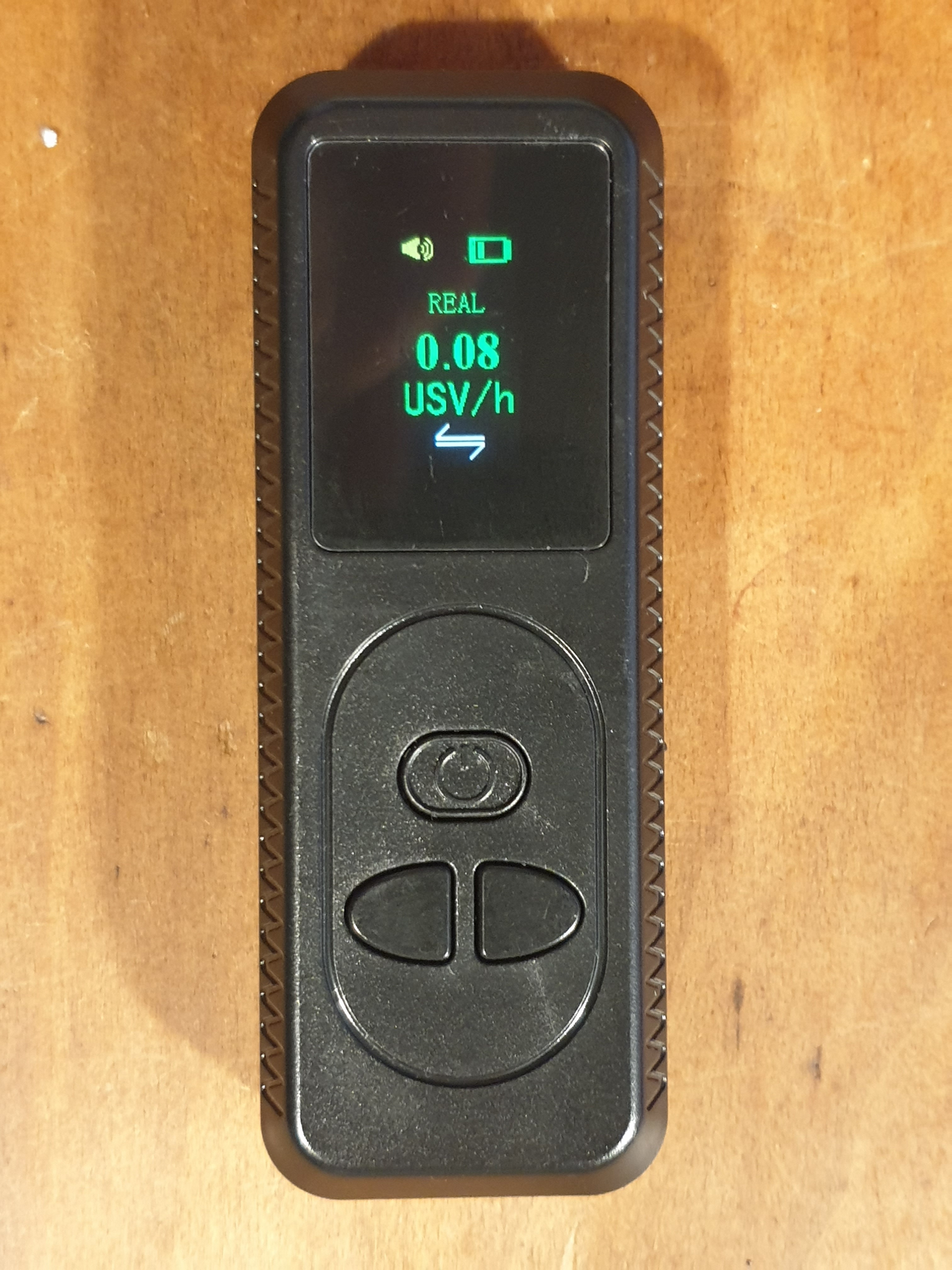
I have seen these kicking around the usual suspects (Ebay, Amazon, Aliexpress etc.) for a little while now and after watching (a not very informative YouTube video) I decided to get one and see just what it is and is it any good. TLDR; You get what you pay for. I paid about £32 for this from Aliexpress.com but have seen them for as little as £25 on Aliexpress.com and as high as £60 on Ebay and Amazon. The unit is very small and packs a tiny 150mAh LiPo cell, 48mm x 7mm (external dimensions) HH614 GM Tube, tiny OLED screen, a massive overkill ARM Cortex-M0 FM33LC043N MCU from Fudan Micro and
-
Following on from Pt.1 - Here are some pictures of the battery compartment. You can see the terminals at the bottom pivot in the middle like a seesaw, also with one battery inserted and then with two. I couldn't resist and took out the tube to have a look at it. It is rather large, pictured below next to a STS-5 tube (SBM-20 equivalent.) ↑ Seesaw battery terminals with pivot at the center. ↑ ↑ One battery inserted. ↑ ↑ Two batteries inserted. The cap has a large shaft that pushes down on the positive terminal, the battery is pressed down making the seesaw terminal push the other battery up.
-
This is one of my latest Geiger counters and it is in fantastic condition. To say this is probably more than 60 years old, it has really faired well. It wasn't working when I got it as one of the battery terminals had some corrosion to it. After a quick but very awkward clean up of the terminal it came to life. What really attracted me to this, besides it's condition, is the fact the meter is in CPS (counts per second.) I thought it unusual for a small counter of this era to be in CPS. Being CPS would mean it would be sensitive, which it is, fairly so. The unit is complete as far as I can
-
- Posted on
- Featured Image
I have translated the manual with the help of a couple of internet AI translators. Attached below you will find a couple of PDFs of the original Russian manual and an English translation of the manual, also the text of the manual in .txt format. The PDFs quality isn't great as the images weren't great but they work. The text version is probably easier to read. A couple of things about operation that I was puzzled about were the mains/missing psu and missing battery. From reading the manual I'm assuming that this was in fact a "Lux" flashlight (battery/rechargeable) and that this company made -
I have managed to power this up and it does work! 😊 I have also started reverse engineering it a little. I removed the two (brass?) strips and replaced them with wires so I can flatten the board out properly. The two strips were connecting the ground and VCC on the boards together. I haven't yet translated the manual, but I will in due time as I can't find a single thing about this counter on the internet at all and the info may be of use to others' too. In all it seems like a very basic counter with a quirky display. If I knew what the ICs actually were I could maybe replicate this on a